We use the words closet and wardrobe almost interchangeably — but are they actually the same thing?
Not quite. While both are designed to hold your clothes and keep your space organized, the difference lies in how they function, how they’re built, and how they fit into your home.
Whether you’re moving, redecorating, or simply trying to make the most of your space, understanding the difference between a closet and a wardrobe can help you choose the right solution — and maybe even elevate your daily routine.
Closets 101
What Is a Closet?
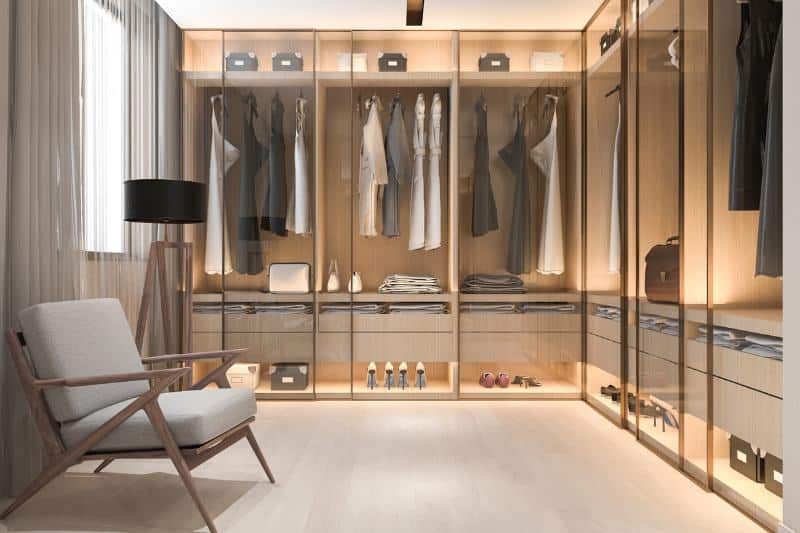
A closet is a built-in, often permanent part of a room’s structure designed to store clothing, shoes, linens, or just about anything you want tucked neatly away. Unlike wardrobes, which are freestanding furniture pieces, closets are architectural features and can add significant value, function, and convenience to a home.
Closets are typically enclosed with doors (hinged, sliding, or bi-fold), though some may be covered with curtains or other similar alternatives. Inside, they might feature a simple rod and shelf or a fully customized storage system. They range in size from small nooks to luxurious walk-in dressing rooms.
Types of Closets (and What They’re Best For)
Closets come in all shapes and purposes. Here are the most common types and what makes each one unique:
- Reach-In Closets
The most common type of closet, especially in bedrooms. Reach-ins are shallow, usually around 24″ deep, and feature a hanging rod with a shelf above. They’re ideal for everyday clothing and can be upgraded with storage systems like cubbies, drawers, or double-hang rods for better efficiency. - Walk-In Closets
Spacious and often seen as a luxury, walk-ins provide enough room to step inside and move around. They allow for full wardrobe displays, vanity areas, or even built-in seating. Walk-ins are highly customizable, making them perfect for people who want their closet to function as a full dressing room. Click here for more info. - Linen Closets
Typically found in hallways, bathrooms, or laundry areas, these closets are shallower and used for towels, sheets, blankets, and household essentials. - Utility Closets
Designed to store cleaning supplies, vacuums, or less-used household items, these closets tend to be more functional than fashionable, but they’re key to keeping your living space clutter-free. - Pantry Closets
Technically part of the kitchen or dining space, pantries are also closets, and they follow the same built-in logic: permanent, enclosed, and designed for daily functionality.
Why Closets Are a Long-Term Investment
Because closets are built into the home, they’re more permanent and often considered a valuable asset. A well-designed closet:
- Adds resale value.
- Makes a space more livable and organized.
- Reduces the need for bulky furniture.
- Can be tailored to suit your daily habits and storage needs.
Closets are also easier to keep tidy when designed intentionally. Built-in shelving, lighting, and closet systems can turn even a small reach-in into a powerhouse of organization.
Closet Limitations
Of course, not all homes have ample closet space, especially in older houses or studio apartments. Some closets are oddly shaped or too small to be practical, which is where wardrobes come in to save the day.
But if you do have closet space, maximizing it with smart systems can totally change how your space functions.
You may also like: How to Add a Room to Your House for Cheap
Wardrobes 101
What Is a Wardrobe?
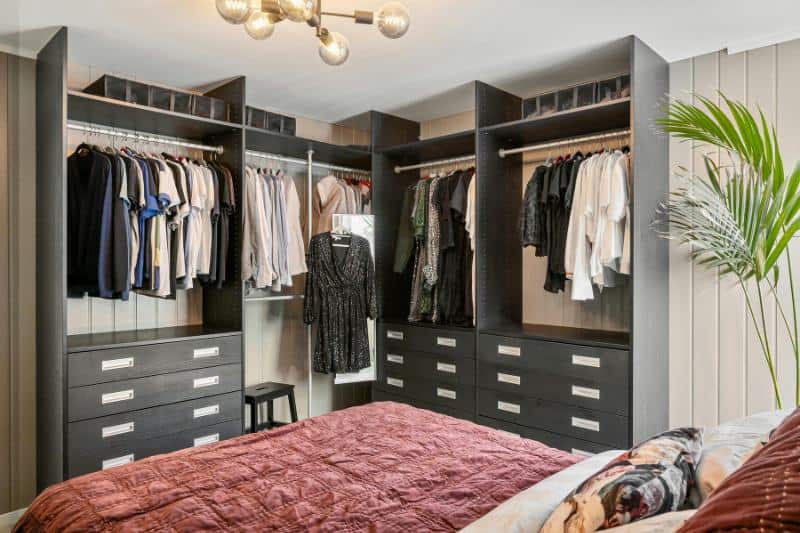
A wardrobe is a freestanding piece of furniture specifically designed for clothing storage. Think of it as a movable closet — a stylish, functional unit that can hang, fold, and store your wardrobe essentials without needing to be built into the walls of your home.
From sleek, modern designs to antique armoires with ornate details, wardrobes come in all shapes, sizes, and styles to suit your space and aesthetic.
Unlike closets, which are part of the architecture, wardrobes offer flexibility — you can move them, replace them, and reconfigure them as your needs change. For renters or anyone working with limited storage space, wardrobes are often the go-to solution.
Types of Wardrobes
Just like closets, wardrobes come in a variety of formats. Here are a few common types:
- Hinged Door Wardrobe
The classic version with swing-out doors. Often includes a combination of hanging space, drawers, and shelves. - Sliding Door Wardrobe
Great for tight spaces where door clearance is limited. Offers a sleek, modern look and is often built with mirrors to visually enlarge the room. - Open Wardrobe System
Think garment rack meets shelving unit. Open wardrobes are trendy in minimal and industrial spaces. Everything is visible, so it encourages thoughtful curation and consistent tidiness. - Modular Wardrobe
These customizable systems let you mix and match components — ideal for unique spaces or evolving storage needs. - Vintage or Antique Armoires
A statement piece with personality. Often more decorative than modern wardrobes, they offer both function and charm.
Why Choose a Wardrobe?
Wardrobes are ideal for:
- Homes without built-in closets (hello, old apartments and minimalist lofts).
- Renters, since they’re non-permanent and move with you.
- Style-conscious homeowners who want to add a beautiful piece of furniture that doubles as storage.
- Extra storage in addition to existing closets (think: seasonal clothes, accessories, or even home linens).
They can be especially helpful in bedrooms, guest rooms, hallways, or even entryways — anywhere you need flexible, functional storage that doesn’t require construction.
The Aesthetic Bonus
A wardrobe isn’t just storage — it’s an opportunity to elevate your space. Whether you choose a clean-lined Scandinavian design or a bold vintage piece, wardrobes can add visual interest and set the tone of a room. With the right styling, it becomes both a practical solution and a decor statement.
You can even personalize the interior with baskets, organizers, lighting, and pull-out racks to get the feel of a built-in closet without the commitment.
Functionally Similar, Structurally Different
As mentioned, closets and wardrobes ultimately serve the same purpose. But the how — how they’re built, how they’re used, and how they fit into your home — is where the real difference lies.
Below is a side-by-side comparison of their key features:
| Feature | Closet | Wardrobe |
| Structure | Built-in (part of the architecture) | Freestanding furniture |
| Customizability | Often customized during renovation | Customizable with interior organizers |
| Portability | Permanent fixture | Can be moved or repurposed |
| Best for | Homes with built-in storage | Apartments, rentals, or flexible design needs |
| Design potential | Streamlined and hidden | Aesthetic statement or focal point |
Closet or Wardrobe: Which One’s Right for You?
The best choice depends on your space, your lifestyle, and how you want your home to feel. Here’s a quick guide to help you decide:
- Go for a closet if you’re working with a built-in space and want a clean, integrated look. Closets are great for maximizing space and staying minimal, especially with a smart storage system in place. Even small reach-ins can be super functional with a little planning.
- Opt for a wardrobe if you’re renting, living in a closet-less space, or craving something that doubles as a design element. Wardrobes offer more flexibility and can bring charm, texture, or contrast into a room. They’re also perfect for expanding your storage without renovating.
- Use both if you have the space and want to separate your wardrobe by purpose — everyday essentials in the closet, and occasion-specific or off-season pieces in a wardrobe.
Whether you’re working with architecture or furniture, the goal is the same: creating a space that supports your style, keeps life organized, and makes getting dressed feel easy and inspiring.
Final Thoughts & Tips
At the end of the day, both closets and wardrobes serve the same essential purpose — helping you store and access your clothing with ease. Choosing the right one comes down to your space, your needs, and your lifestyle.
Before we wrap up, here are a few final tips to help you make the most of your storage solution:
- Add lighting to your closet or wardrobe. Good lighting makes a big difference in how functional and inviting the space feels.
- Use labeled bins or baskets to organize accessories and off-season clothing, keeping things tidy and easy to find.
- Always measure your space before buying. A wardrobe that looks sleek online could feel overwhelming in a smaller room.
- Customize the interior with shelves, dividers, or hooks to maximize storage and create dedicated zones.
- Don’t forget to clean and reassess your setup regularly (at least with the changing seasons or whenever your needs shift).
And remember, when your storage fits your life, getting dressed becomes easier, faster, and far more enjoyable.