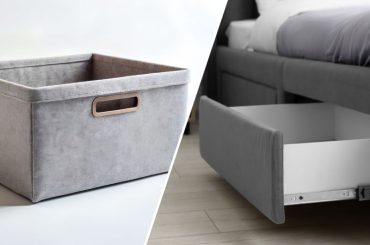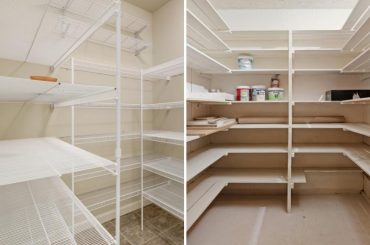
A good closet isn’t just pretty — it’s practical. And no matter how gorgeous your shelves or how sleek your storage bins, the wrong layout can leave you frustrated every time you get dressed.
Whether you’re refreshing your current setup or planning a total redesign, avoid these all-too-common layout mistakes and use our tips to create a closet that’s functional, flexible, and totally tailored to you.
1. Ignoring Vertical Space
The Mistake
Many people only use the lower half of their closet or stop organizing at eye level, leaving valuable vertical space completely unused. As a result, clutter often ends up piling on the floor while upper shelves and walls remain empty and underutilized.
Storing clothes directly on the floor isn’t ideal either, as it exposes them to dust, moisture, and potential damage. For more details on why it’s best to avoid floor storage — and what to do instead — read this article.
What to Do Instead
Think beyond eye level. Install high shelves near the ceiling for less-used or bulky items like extra bedding, travel bags, seasonal clothing, or memorabilia. If your closet has room, stack two hanging rods (one high, one low) to double your short-hanging storage like shirts, pants, and skirts.
In narrow or reach-in closets, verticality is your best friend. Use tall shoe racks, slim drawer towers, or hanging organizers that run from rod to floor. Even tension rods can be installed vertically to hang scarves or belts in an efficient way.
Quick tip: The back of the closet door is often overlooked, but it’s valuable storage space. Use it for hanging accessories, jewelry, small bags, or even a mirror to save wall and shelf space.
2. Overcrowding Everything
The Mistake
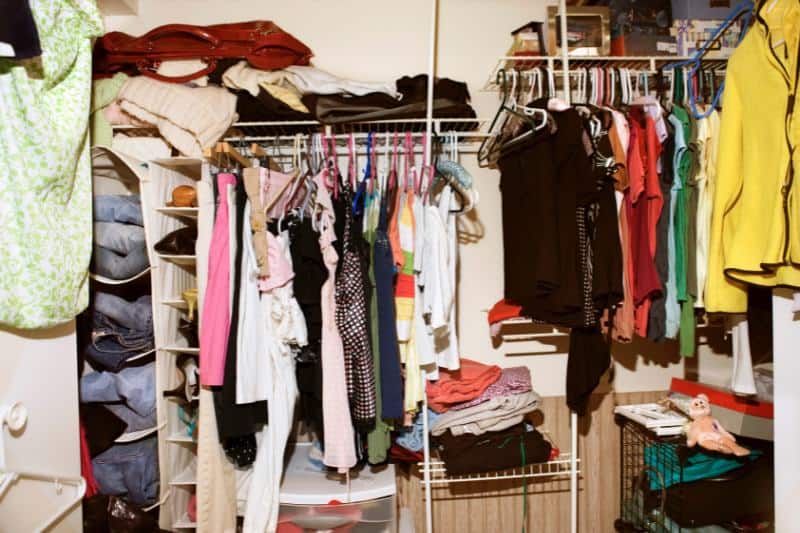
Trying to fit everything you own into one closet leads to jam-packed rods, overflowing drawers, and daily frustration. When every hanger is squeezed together, it’s hard to see what you have and even harder to stay organized.
What to Do Instead
Declutter first. Be honest about what you actually wear, and remove anything that’s outdated, doesn’t fit, or hasn’t been touched in over a year. Once you’ve edited your wardrobe, plan your layout around your go-to pieces.
Give every item a little breathing room. Leave 1–2 inches between hangers, stack no more than 4–5 folded items per shelf, and resist the urge to cram “just one more” bin on top.
Tip: Clean out your closet seasonally. Store off-season clothing in labeled bins on upper shelves or under the bed. Your closet should reflect the current season and your daily lifestyle, not everything you’ve ever bought.
3. Not Creating Zones
The Mistake
Without structure, your closet can easily become a tangled mess. Mixing casual wear with work clothes, piling shoes beneath hanging sweaters, or tucking accessories wherever they fit leads to daily chaos and decision fatigue.
What to Do Instead
Break your closet into distinct zones. Use dedicated sections for hanging clothes, folded items, shoes, accessories, and bags. Within those categories, group similar items together — for example, pants with pants, dresses with dresses, and so on.
This method improves aesthetics and helps you know exactly where everything lives, makes getting dressed quicker, and keeps things easier to maintain.
Design tip: Use shelf dividers, drawer inserts, baskets, and labels to reinforce your zones. The more intuitive your system, the more likely you are to stick with it — and the easier it becomes to keep your closet under control.
4. Skipping Lighting
The Mistake
A dim closet isn’t just inconvenient — it makes your space feel smaller, more cluttered, and much harder to use. Without proper lighting, you might find yourself grabbing mismatched socks or struggling to see what’s tucked into the back corners.
What to Do Instead
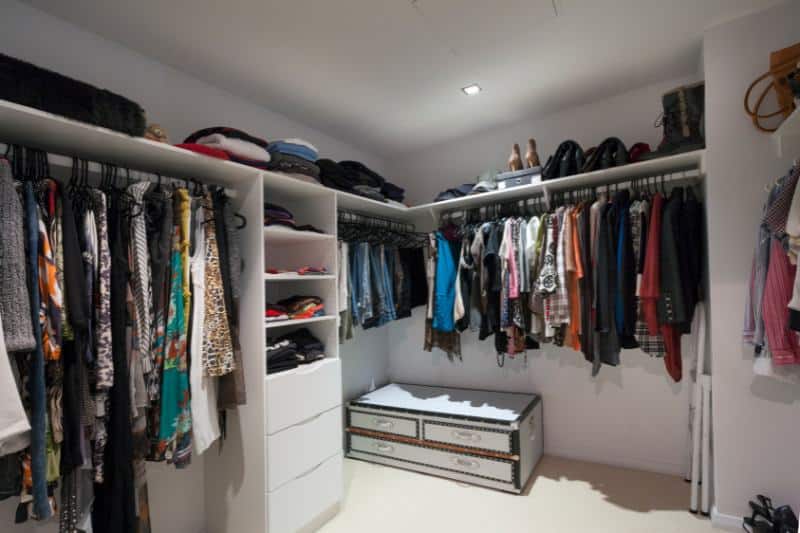
Every closet deserves proper lighting, even the small ones. If you don’t have wiring for a ceiling fixture, don’t worry — there are plenty of renter-friendly and budget-friendly options. Stick-on LED puck lights, rechargeable motion-sensor lights, or LED strip lighting can transform even the darkest closet.
In walk-in closets, consider installing a flush-mount ceiling light or a pendant with warm, diffused light. Lighting should be bright enough to see everything clearly, but soft enough to feel welcoming.
Style bonus: Don’t underestimate the impact of beautiful lighting. A sleek fixture, chandelier, or even color-changing LEDs can give your closet boutique-like flair.
5. Not Thinking About Workflow
The Mistake
If your daily essentials are tucked into hard-to-reach corners while rarely used items get the prime spots, your closet layout is working against you. It’s inefficient and a recipe for frustration during busy mornings.
What to Do Instead
Design your layout around your real-life habits. Keep go-to items — like your favorite shoes, jeans, or tees — within easy reach. Store workout clothes near your hamper. Place your everyday bag on a hook or shelf by the door of the closet. Think of your routine and align your layout accordingly.
Items you rarely wear or use seasonally should go up high, down low, or toward the back. Don’t let them take up valuable space in your main dressing zone.
Efficiency tip: Think about how you get dressed and mirror that flow. For example, if you pick out tops before pants, arrange your closet from left to right in that order. The more intuitive the setup, the easier it is to use — and keep organized.
6. Forgetting Accessories
The Mistake
It’s easy to forget about the small stuff like jewelry, belts, scarves, hats until they start to clutter up shelves or disappear altogether. Worse, when they’re out of sight, they’re often out of mind.
What to Do Instead
Give accessories their own home. Use drawer inserts for jewelry, clear bins for scarves, or pegboards with hooks for belts, hats, and sunglasses. Tiered trays or stackable boxes are great for keeping things visible and accessible.
The key is visibility. When you can see your accessories, you’re more likely to actually wear and enjoy them, not just collect them.
Bonus idea: If space allows, turn a shallow drawer or a small shelf into a mini styling station. Keep your most-worn accessories there, along with a mirror or a small tray. It adds a touch of luxury and helps streamline your daily routine.
7. Using the Wrong Hangers
The Mistake
Mixing and matching different types of hangers — bulky wooden ones, wire dry-cleaner versions, and thick plastic styles — leads to uneven spacing, wasted real estate, and a cluttered appearance. Plus, the wrong hanger can stretch or damage your clothes.
What to Do Instead
Invest in a full set of slim, non-slip velvet or rubber-coated hangers. These save space, prevent slipping, and make your closet look instantly more uniform and tidy.

- INCLUDES: 30 suit clothes hangers in Ivory/Rose Gold...
- CLOSET FRIENDLY: Slim profile helps maximize closet...
- NON-SLIP DESIGN: Velvet surface and notched shoulders...
- DURABLE: Each sturdy metal-core hanger can hold up to...
If you need hangers for specific garments like suits, skirts, or pants, choose styles designed for that use but keep the overall look cohesive.
Matching hangers don’t just upgrade function, they give your closet that “after” makeover look with minimal effort. Your clothes will thank you, and you’ll gain back some breathing room on the rod.
8. No Flexibility in the Layout
The Mistake
Closets often get built around a snapshot of your life — your current wardrobe, your current habits — but don’t account for future changes. A rigid layout can become frustrating fast if your needs shift.
What to Do Instead
Choose adjustable systems wherever possible. Opt for shelves that can move up or down, modular drawers that can be added or removed, and organizers that can be expanded. These little tweaks add flexibility and longevity to your setup.
Even better, leave a little space intentionally empty. It gives your closet room to grow and keeps it from feeling crammed right from the start.
Think of your closet as something that evolves with you. Whether your style changes, your storage needs grow, or you just pick up a few extra sweaters in winter, a flexible system is the secret to avoiding another complete overhaul later.

9. Forgetting About Doors and Entry Flow
The Mistake
A door that swings inward and blocks part of the closet — or worse, clutter that piles up right inside the entrance — can make the whole space feel smaller and harder to use.
What to Do Instead
Use sliding, bifold, or pocket doors if possible to free up floor space and make it easier to move in and out. Keep entryways clear so you can actually step in and use your closet fully.
If your closet has no door, consider adding a curtain or leaving it open intentionally if you plan to keep it tidy. Check out this article for more ideas.
Small space fix: Hang hooks or organizers on the inside of the door, or add a shallow shoe shelf or mail drop zone if your closet is by the entry.
10. Prioritizing Aesthetics Over Function
The Mistake
It’s easy to get swept up in Pinterest inspiration and design something that looks amazing but doesn’t actually work. Maybe it’s all open shelving (say visual clutter), or it’s styled for display instead of real storage.
What to Do Instead
Start with function, then layer in style. Make sure your closet has enough drawers for things you don’t want to see, space for everyday items, and accessible zones for quick routines.
Aim for balance. Use closed bins, drawer inserts, and labeled baskets to keep everything organized while maintaining a clean, cohesive look.
Final Thoughts
A beautiful layout means nothing if it doesn’t work for your lifestyle. Avoid these common mistakes and make thoughtful design choices so your closet feels both stylish and effortless to use.
Think beyond aesthetics. Build zones that reflect your habits, invest in lighting that actually helps, and leave room for your wardrobe to evolve.
With the right setup, your closet becomes more than a place to store clothes — it becomes a part of your daily rhythm and your personal style.