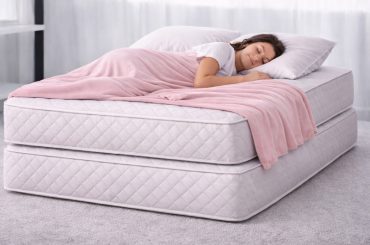
Storing a mattress isn’t always as simple as sliding it into a corner. When space is limited, stacking mattresses may seem like an easy and practical way to keep things organized.
However, mattresses are large, flexible, and sensitive to prolonged pressure, which makes proper storage more important than it might initially seem. The way you store them can affect their shape, support, and overall lifespan.
In this article, you’ll learn what to consider before stacking mattresses and how to store them safely. Stacking can work in some situations, but the best approach depends on storage time, mattress type, and where they’re being kept.
How Mattresses Handle Weight During Storage
Mattresses are built to support weight evenly when someone is lying on them, not to hold concentrated pressure for weeks or months at a time. When you stack mattresses, the bottom mattress bears the full weight of everything placed above it, which can stress materials that are not designed for prolonged compression.
Over time, this constant pressure can compress foam layers, weaken internal springs, or cause padding and support materials to shift out of place. Firmer mattresses may tolerate stacking slightly better than soft foam or pillow-top designs, but even they are not immune to long-term compression or structural wear.
Storage Time Matters More Than Position
One of the biggest factors in mattress storage is duration rather than positioning alone.
Stacking mattresses for a few days or even a few weeks is usually not a problem, as most materials can recover once the pressure is removed. Issues tend to appear when mattresses remain stacked for months at a time. Prolonged stacking increases the risk of permanent sagging, reduced support, and uneven comfort.
If you’re planning to store a mattress for an extended period, minimizing constant pressure and ensuring adequate airflow becomes far more important than saving a small amount of floor space.
The Role of Airflow and Environment
Mattresses need consistent air circulation to stay dry and free from moisture-related damage. When they are stacked tightly together, airflow between them is significantly reduced, especially if the stack is placed directly on the floor. In environments with higher humidity, this lack of ventilation can allow moisture to build up inside the mattress materials over time.
Basements, garages, and storage units without climate control are particularly risky. Even mattresses stored in protective covers can trap moisture if airflow is poor, increasing the likelihood of mold or mildew growth, lingering odors, and gradual material deterioration.
Mattress Type Makes a Difference
Not all mattresses respond the same way to being stacked during storage. How well a mattress tolerates it depends largely on the materials and internal construction.
- Foam and memory foam mattresses are generally more vulnerable to compression damage. Prolonged pressure can cause foam layers to lose their ability to fully rebound, leading to permanent indentations or reduced support.
- Innerspring and hybrid mattresses may hold their shape slightly better due to their internal coil systems. However, they can still suffer from uneven wear, bent coils, or padding shifts if stacked for long periods.
- Latex mattresses are known for their durability, but they also benefit from proper ventilation and limited pressure during storage. Without airflow, even latex can trap moisture and develop odors.
Tip: When storing more than one mattress, stacking mattresses of similar size and firmness helps distribute weight more evenly and reduces the risk of distortion or long-term damage.
When Stacking Mattresses Can Make Sense
Stacking mattresses can be a practical option in short-term situations, such as during a move, temporary storage between leases, or while completing home renovations. In these cases, stacking helps save space and keep mattresses out of the way without causing immediate damage.
To reduce risk, it’s important you:
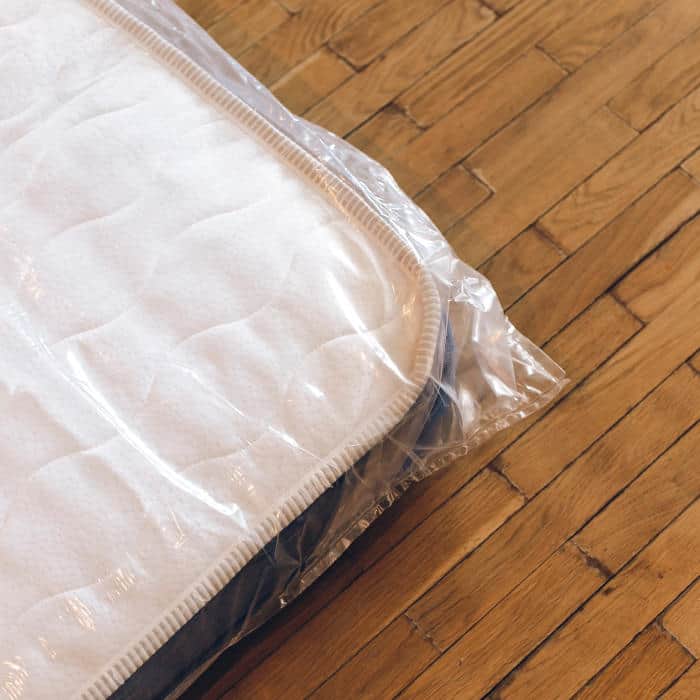
- Use breathable storage covers to allow airflow
- Keep mattresses off the floor to prevent moisture buildup
- Limit the stack height to reduce pressure damage
- Place firmer or heavier mattresses on the bottom
The key is to treat stacking as a temporary solution and avoid relying on it for long-term storage.
It’s also worth noting that storage considerations are different from sleeping arrangements. If you’re thinking about using stacked mattresses for sleep rather than storage, our article on whether it’s safe to sleep on stacked mattresses goes into more detail.
Smarter Ways to Protect Mattresses in Storage
So, what are better ways to store your mattress? For longer storage periods, separating mattresses or storing them flat individually is often the safest approach. This reduces constant pressure on materials and allows for better airflow around each mattress.
Standing mattresses on their side can also work for short-term storage, provided they are properly supported and not bent or leaning unevenly.
Choosing a clean, dry, climate-controlled storage space is equally important. Checking on stored mattresses occasionally and allowing them to air out can help prevent moisture buildup, odors, and long-term damage, ensuring the mattress remains in good condition when it’s needed again.
In Summary
Stacking mattresses for storage isn’t automatically a bad idea, but it does come with trade-offs. Short-term stacking in a controlled environment is usually fine, while long-term stacking increases the risk of damage and moisture problems.
If preserving the comfort and lifespan of your mattress matters, minimizing pressure, maintaining airflow, and limiting storage time are the most important factors to keep in mind.
Finally, be sure to check out some of our related articles you may find useful, such as how to strap a mattress to a roof rack and whether you can sleep in a storage unit.
If you have any questions, feel free to leave a comment below.