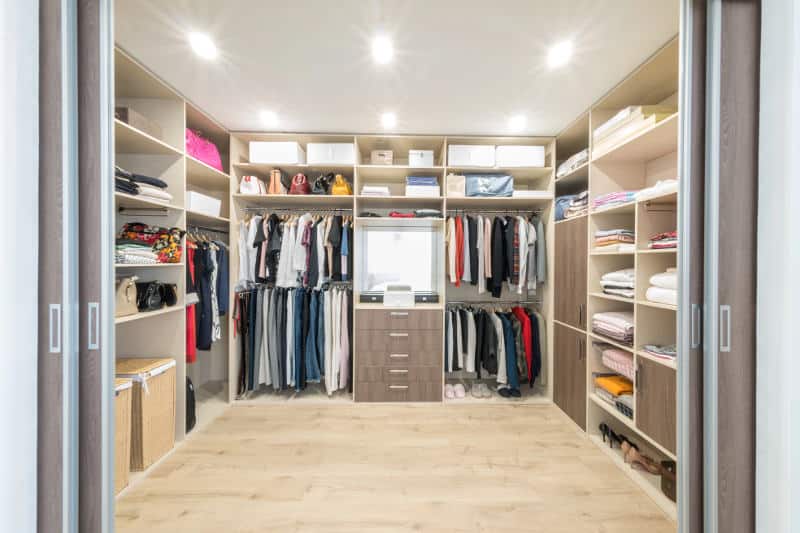
The secret to a functional closet isn’t more space, it’s smarter structure. Zoning your closet helps streamline your storage, reduce clutter, and create a setup that actually works for how you live.
From hanging clothes to housing accessories, here’s how to create an efficient closet layout that makes daily life simpler.
1. Hanging Zone (Your Everyday Go-Tos)
This is the backbone of most closets — and where your most frequently worn, wrinkle-prone clothing should live. Think jackets, dresses, work shirts, button-downs, and longer skirts. The goal? Visibility and access.
- Use double hanging rods (one high, one low) to instantly double your usable space. Hang shorter items like tops or pants on the lower rod.
- Group by type and color to create a cleaner, boutique-like feel and speed up outfit selection.
- Use slim, non-slip hangers to keep things tidy and uniform. They take up less space and look more cohesive than mismatched plastic ones.
- Consider a dedicated “outfit planning” section if your closet is deep enough. It can be just a few inches of rod space where you hang outfits for the week ahead.
2. Folded Zone (Stackables + Easy Grabs)
This is where your go-to casuals live: jeans, sweaters, T-shirts, workout clothes, and anything else that folds well and doesn’t wrinkle easily. Folded zones are all about access and clarity.
- Use open shelving for easy visibility, especially for jeans and chunky knits. Avoid stacking too high (4–5 items per pile is ideal).
- Shelf dividers help maintain order and prevent that dreaded “avalanche” effect when you pull from the middle.
- Roll softer items like leggings, tees, or sleepwear. It saves space and makes everything more scannable.
- Add clear, labeled bins or baskets for “miscellaneous” categories like lounge sets, seasonal layers, or even travel accessories.
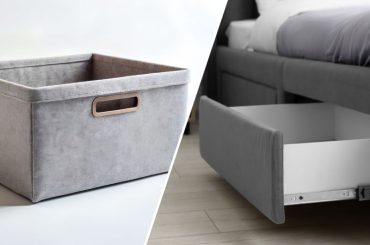
- Use fabric bins or drawer organizers with handles for a softer, cleaner look that’s easy to move when needed.
3. Shoe Zone (Yes, It Deserves Its Own)
Shoes are often overlooked when organizing, but they’re one of the fastest things to clutter a closet. A proper shoe zone keeps your favorites visible, pairs together, and floors clear.
- Use tiered racks, clear shoe boxes, or cubbies. Clear boxes are great for visibility and dust protection, especially for heels or special occasion shoes.
- Organize by type or occasion: Work shoes, casual sneakers, boots, heels. Or sort them by frequency: everyday vs. rarely worn.
- Maximize vertical space by adding stackable organizers or under-shelf shoe racks for flats and sandals.
- Use open shelving for statement shoes you love looking at. Treat them like decor.
- Rotate seasonally: Store boots in bins with cedar sachets during summer, and swap them with sandals in the colder months.
4. Accessories Zone (The Little Things That Matter)
This is where you store the finishing touches: belts, scarves, jewelry, hats, sunglasses, and more. It’s often the most neglected zone, but keeping accessories visible and accessible makes it so much easier to actually wear them.
- Use drawer inserts for jewelry, sunglasses, and small items. Velvet-lined trays protect delicate pieces and keep things separated.
- Hooks or pegboards are perfect for belts, hats, or bags. Mount them inside the closet door or on a free wall.
- Tiered trays or stackable boxes work great for organizing earrings, watches, or brooches.
- A pull-out drawer with dividers, a rotating jewelry tree, or even a vintage tray can turn your accessory zone into a little style station.
- Keep a small mirror and a dish for your everyday pieces (like the necklace you wear 24/7 or your go-to hoops) so they’re always easy to grab and go.
5. Dirty Laundry Zone (Keep It Contained)
Not the most glamorous part of your closet, but easily one of the most important. A designated laundry zone keeps your space cleaner, more functional, and way less chaotic.
- Use a divided hamper if you like to sort by color, fabric, or family member. It saves time on laundry day.
- Opt for a hamper with handles or wheels if your laundry room is far from your closet.
- Match the aesthetic of your closet with a canvas, wicker, or collapsible hamper that blends in (and doesn’t scream “dirty socks”).
- Tuck it away under hanging clothes, inside a cabinet, or in a low drawer where it’s accessible but not in your way.
6. Storage Zone (Seasonal + Rarely Used Items)
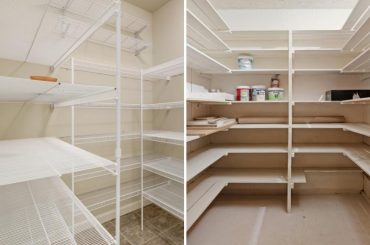
This is your closet’s deep storage section, the place for off-season clothing, formalwear, travel gear, or rarely used extras. Getting these items out of your daily rotation creates space and clarity.
- Use labeled bins (preferably clear or stackable) to make it easy to find what you need later.
- Vacuum-seal bulky items like winter coats or sweaters to save serious space.
- Store high and low: Keep storage bins on upper shelves, in drawers, or under the bed if closet space is limited.
- Schedule a seasonal refresh. Every 3–4 months, rotate items and reassess what you’re still using, what needs cleaning, or what’s ready to be donated.
- Include a small bag of cedar balls or a lavender sachet to keep stored clothes fresh and pest-free.
7. Getting Ready Zone (If You Have the Space)
If your closet doubles as a dressing room, you’ve got prime real estate for a little styling corner. This is where fashion meets function — perfect for final touches and outfit planning.
- Install a full-length mirror or a wall-mounted lighted mirror for outfit checks and makeup touch-ups.
- Add a bench, stool, or pouf if you have the space. It’s helpful when putting on shoes or laying out outfits.
- Use trays, drawers, or tiered organizers to hold perfume, hair tools, lint rollers, or daily grooming items in one neat place.
- A soft rug, ambient lighting, or a diffuser can instantly elevate the vibe, turning your closet into a mini retreat instead of just a storage space.
In Conclusion
No matter the size of your space, setting up closet zones is one of the simplest ways to create more order and ease in your everyday life.
Start one section at a time and build a layout that supports how you actually get dressed. And if you’re still planning your space, make sure to avoid these common closet layout mistakes that can affect how well your zones function together.
Looking for more closet inspiration? You may also like: