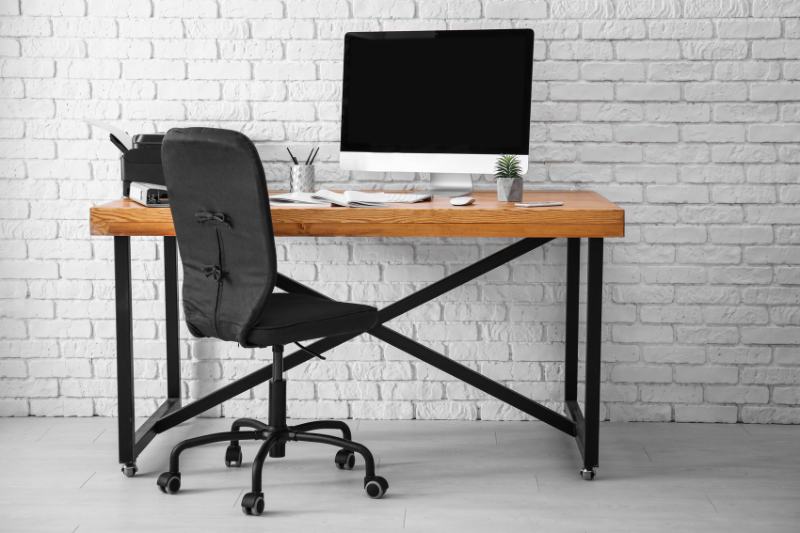
If you spend a lot of time at your desk, it’s important to make sure it supports your comfort and productivity. A desk that’s too short can lead to poor posture, discomfort, and even long-term health issues, especially if you’re working for hours on end.
Fortunately, there are several easy ways to raise your desk to better suit your needs and improve your workspace ergonomics.
A Quick Guide to Ideal Desk Height
Before you start adjusting your desk, it’s essential to understand what the right height actually looks like. A well-set workspace should allow you to sit (or stand) in a relaxed, neutral posture that reduces strain and promotes productivity.
Here’s what to aim for:
- Desk height: For most seated setups, the ideal desk height is 28–30 inches (71–76 cm) from the floor to the top of the desk. Your elbows should rest comfortably at a 90–100° angle when your hands are on the keyboard or desktop.
- Chair height: Adjust your chair so your feet are flat on the floor, with your knees at or slightly below hip level. Most people feel comfortable in the range of 16–21 inches (41–53 cm) from the floor to the seat.
- Monitor height: Position your monitor so the top of the screen is at or just below eye level, about 20–30 inches (50–76 cm) away from your eyes. This helps prevent neck strain and encourages a more natural head position.
To make things easier, here’s a general reference chart showing recommended seated desk heights based on user height. These are helpful starting points, but feel free to adjust based on your body proportions, chair, and comfort.
| User Height | Recommended Desk Height |
| 5’4″ (163 cm) | 25–26″ (63.5–66 cm) |
| 5’8″ (173 cm) | 27–28″ (68.5–71 cm) |
| 6’0″ (183 cm) | 28–30″ (71–76 cm) |
| 6’4″ (193 cm) | 30–31″ (76–78.5 cm) |
Now that you know what height you’re aiming for, let’s explore the most effective ways to raise your desk — and find the solution that fits your space, style, and budget.
1. Use Furniture Risers
Furniture risers are one of the simplest, quickest, and most affordable ways to raise a desk that’s too short. They can increase your desk height by up to 8 inches (20 cm), making them ideal for quick ergonomic adjustments without major DIY work.
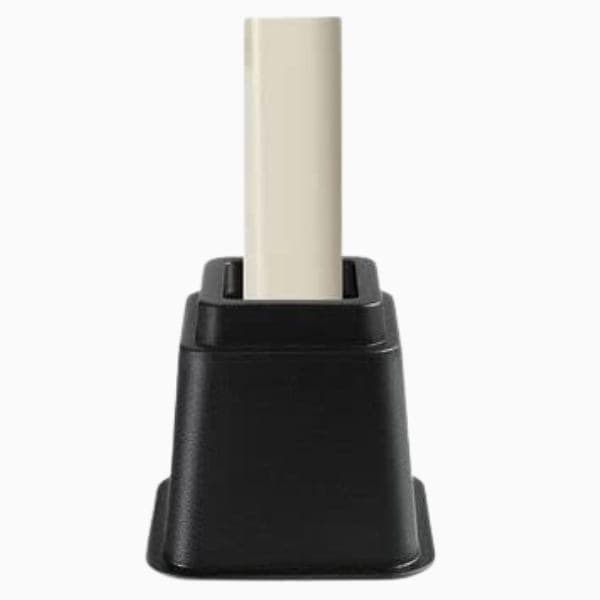
Typically shaped like sturdy cubes or blocks, risers come in various sizes to fit different types of furniture legs. To use them, you simply place one under each leg, instantly elevating the entire desk.
Most risers are sold in sets (often with adjustable or stackable options, like these ones from HOME IT) so you can customize the height to suit your needs. If 8 inches isn’t quite right, you can even combine different riser heights to get the perfect lift.
One of the biggest perks of furniture risers is their accessibility. They’re easy to find both online and at hardware or home improvement stores. And they’re budget-friendly too — an 8-piece set usually costs around $20, making them an excellent low-cost solution.
That said, they do have a drawback: appearance. Most risers are made of plastic and come in basic neutral tones, which might not match or enhance the look of a wood or designer desk.
2. Try Ball or Bun Feet for a Stylish Lift
If you’re looking for a more decorative way to raise your desk (and plastic risers just won’t cut it) ball feet might be the perfect alternative. These stylish add-ons not only elevate your desk but can also enhance its overall design.
Ball feet, popularized in the 17th century, are rounded furniture feet that come in a variety of styles, from vintage-inspired to sleek and modern. Bun feet are a flatter variation, rounded but slightly compressed at the top and bottom, giving them a classic yet sturdy look.
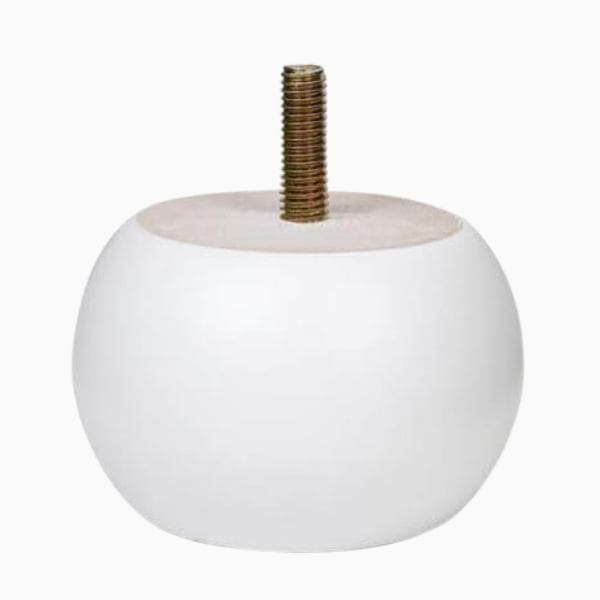
These feet can typically raise your desk by 2 to 6 inches (5 to 15.2 cm), depending on the size you choose. They’re especially well-suited for wooden desks, as they can be easily attached to the bottom of each leg with wood screws or glue.
In addition to being functional, ball and bun feet are cost-effective and widely available. You’ll find plenty of options at home improvement stores or online, and they come in different finishes and materials to match your furniture’s style.
For example, these bun feet from Maricome come in five styles: antique, black, white, brown, and even unfinished wood that you can stain or paint to match your desk.
So if you want to raise your desk without sacrificing looks, ball or bun feet are a great way to combine practicality with visual appeal.
3. Install Leg Levelers for Precision and Stability
For a more modern and adjustable solution, leg levelers are a great option. They allow you to fine-tune the height of each desk leg individually, perfect not only for making your desk taller, but also for leveling it on uneven floors.
Leg levelers are especially helpful if you need a more precise height adjustment than what furniture risers or ball feet can offer. Many adjustable desks already come with levelers built in, but if yours doesn’t, they’re easy to install yourself.
Most sets cost between $10 and $20 and come with everything you need, aside from a drill.
The installation process is straightforward:
- Clear off your desk and turn it upside down to access the legs.
- Clean the surface where you’ll be installing the levelers.
- Measure the screw length and mark your drill bit accordingly.
- Drill a hole in the center of each leg and insert the screw.
- If your levelers come with ledgers (base plates), attach them with the provided screws before installing the legs.
- Tighten the levelers using a wrench (often included), and adjust the height to your preference.
In addition to raising your desk by a small but noticeable amount, leg levelers can dramatically improve stability, especially on tile, carpet, or slightly sloped floors. It’s a subtle upgrade, but one that makes a big difference in comfort and performance.

- ✔Heavy Duty & Large Furniture Leg Levelers- Allow...
- ✔Adjustable Leveling Feet - 1.75” long steel insert...
- ✔1320LBs Max Support- Commercial quality furniture...
- ✔For All Floors- Universal Nylon bottom that work for...
Looking for a reliable option? Check out these leg levelers from Anwenk. They’re sturdy, easy to install, and offer adjustable height from ¾ to 1¾ inches, giving you just the right amount of lift with excellent support.
4. Add Furniture Pads for a Small, Simple Lift
If you only need a slight boost (less than an inch) furniture pads are a quick and low-effort solution. These are typically used to protect floors or reduce noise, but thicker pads can also add a bit of height to your desk.

They come in a variety of materials, like felt, rubber, or silicone, and can raise your desk by ¼ to 1 inch (0.6 to 2.5 cm) depending on the thickness and how many you stack.
Furniture pads are especially handy for:
- Minor ergonomic adjustments
- Leveling a slightly uneven desk
- Adding grip on slippery floors like hardwood or tile
They’re adhesive, easy to apply, and affordable. Plus, they won’t damage your furniture. You can find multi-packs online or at any hardware store, often for under $10. For more product suggestions, be sure to check out our previous article on furniture pad recommendations.
While furniture pads won’t replace full risers or extensions, they’re perfect for fine-tuning your setup or making a quick, no-tools adjustment.
5. Use Feet Extensions for a Significant Height Boost
If you need to raise your desk by more than a few inches, feet extensions offer a solid and stable solution. These are typically metal or wood attachments that add significant height (often up to 16 inches), making them ideal for standing desks or taller setups.
Feet extensions are usually sold in sets of four and cost around $30 to $40. Most are made of steel or aluminum, offering strong support and durability. Some are even adjustable, allowing you to find the exact height that suits you best.
Before purchasing, make sure the extensions are compatible with your desk. Many are designed for specific leg shapes and materials, so check the product description carefully. If your desk has wooden legs or an unusual shape, a DIY approach may be more suitable.
DIY Wooden Feet Extensions
For wooden desks or custom shapes, you can create your own extensions with just a few tools and materials:
- Measure the height you need and decide whether to add the extension to the top or bottom of the legs.
- Remove the existing legs by unscrewing or detaching them.
- Cut matching wood blocks or pieces that align with your desk’s current leg style.
- Drill holes in both the original legs and the extensions, then insert wooden dowels.
- Secure the extensions using wood glue and a hammer, making sure they’re tightly attached.
- Reattach the legs to the desk, and double-check for stability.
While this option takes a bit more time and effort, it gives you full control over the final look and height. Plus, it can be a fun weekend project if you’re into DIY.
6. Replace the Legs for Maximum Customization
If none of the previous solutions provide the height you need, or if you want a permanent upgrade, replacing your desk legs entirely is a great option. This method gives you complete control over the final height and design of your desk.
While it takes more effort than adding risers or extensions, replacing the legs ensures your desk fits you perfectly and can even refresh its overall look.
Here’s what you’ll need to do:
Step 1: Measure and Plan
Before removing the existing legs, measure their current length and decide how much taller you’d like your desk to be. This will help you determine the ideal leg height for your replacement set.
Step 2: Remove the Old Legs
Most desk legs can be unscrewed by turning them counterclockwise. If they’re attached with hardware, use a screwdriver or drill to remove them.
Step 3: Choose Your New Legs
When shopping for new legs, keep the following in mind:
- Material: Try to match the desk’s current material (e.g., wood with wood), or go bold with a contrasting style (e.g., metal legs for a modern touch).
- Length: Choose legs that match your target desk height.
- Attachment Style: Ideally, pick legs with the same mounting system as your old ones for an easier installation.
- Compare in person: If possible, bring one of your old legs to a hardware store for direct comparison.
Step 4: Install the New Legs
If your new legs use the same fixture system, installation is simple — just screw them into the existing holes. If they require a new setup, follow the included instructions carefully, or consult a hardware store expert for guidance.
Once installed, check that your desk is level and stable. Adjust if needed using furniture pads or levelers.
Replacing your desk’s legs is the most involved method on the list, but it’s also the most customizable and professional-looking. If you’re ready to commit to a more permanent fix (and don’t mind a little DIY) it’s a smart and stylish upgrade.
7. Use a Tabletop Riser for an Instant Workspace Boost
If your desk doesn’t have traditional legs or you want a no-fuss solution, a tabletop riser is a fantastic alternative. Instead of lifting the entire desk, you simply raise your working surface which isideal for creating an ergonomic setup without modifying the furniture itself.
Tabletop risers are essentially mini-desks that sit on top of your existing one. They come in a variety of shapes, styles, and materials, often with multiple levels or compartments for extra storage and organization.
On average, a quality riser costs around $20 and can hold everything from your monitor and keyboard to notebooks, stationery, or décor. Some models, like this one from Amazon Basics, are even adjustable or collapsible, giving you flexibility throughout your workday.

- Clear Dimensions with Tapered Design: Top surface...
- 3-Level Stackable Height Adjustment: Customize your...
- Lightweight Yet Durable ABS Construction: Made from...
- Supports Up to 22 lbs for Standard Devices: Suitable...

Aside from being practical, risers can also enhance the look of your workspace. A clean, organized setup not only helps you work more efficiently, it can also boost your mood and motivation.
That said, risers aren’t for everyone. Some people prefer the simplicity of a single-level desk or find risers a bit bulky. But if you’re after a quick, stylish way to raise your work surface with zero installation, a tabletop riser is hard to beat.
8. Use Large and Heavy Books for a Quick, Budget-Friendly Fix
If you’re looking for a fast, no-cost solution, using large and heavy books to raise your desk is a surprisingly effective temporary fix.
Simply place a sturdy book or stack under each desk leg to lift the height evenly. Old phone books, encyclopedias, or any thick hardcovers you no longer use can work well. Just make sure the stacks are balanced and stable to avoid any wobbling or tipping.
While this method isn’t the most elegant or permanent, it gets the job done without spending a dime. It’s also a great stopgap if you’re waiting on a more durable solution, like risers or new legs, to arrive.
Keep in mind that books can slide or compress slightly over time, so regularly check for stability. For added grip, you can place a non-slip mat or rubber pad underneath each stack.
Quick Tip: If you’re going this route, aim for books with a flat, solid spine and avoid glossy covers that can slip.
Key Takeaways: Raising Your Desk the Right Way
Working at a desk that’s too low can lead to discomfort, poor posture, and long-term health issues. The right desk height is essential for staying productive and pain-free.
Luckily, there are several effective ways to raise your desk — no matter your budget, skill level, or style preferences. Here’s a quick summary of your options:
- Furniture Risers: A simple and affordable fix that can raise your desk by up to 8 inches. Great for quick adjustments but may not win any style points.
- Ball or Bun Feet: A decorative solution that blends style with function. Ideal for wooden desks and design-conscious setups.
- Leg Levelers: Perfect for precise height adjustments and uneven floors. Easy to install and budget-friendly.
- Furniture Pads: Great for small adjustments under 1 inch. Easy to apply, inexpensive, and ideal for quick ergonomic tweaks or floor protection.
- Feet Extensions: Best for significant height increases. Available commercially or as a DIY project using wood and dowels.
- Replace the Legs: A more permanent and customizable option. Ideal if you’re confident with tools or want a total upgrade.
- Tabletop Risers: A no-drill solution that elevates your workspace and boosts organization. Great for desks without adjustable legs.
- Heavy Books: A temporary, cost-free fix using what you already have at home. Not the prettiest, but it works in a pinch.
Choose the method that best fits your needs, and enjoy a more ergonomic, efficient workspace.