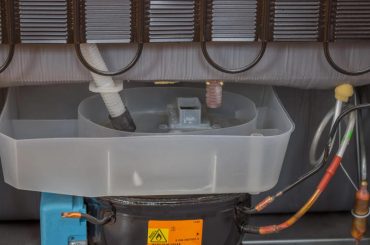
Opening your fridge and finding fogged-up containers or water pooling under drawers isn’t just annoying — it’s a sign of condensation. While some condensation is normal, excess moisture can damage your appliance, spoil your food, and even lead to mold.
In this guide, we’ll break down why condensation happens, what causes it, and the simple fixes you can apply to keep your fridge running dry and efficiently.
Is Condensation in Your Fridge Normal or a Problem?
A little condensation in your fridge is perfectly normal, especially when you first plug it in or restart it after being off for a while. In most cases, this moisture clears up within 24 hours as the appliance reaches its set temperature.
Condensation happens when warm, humid air comes into contact with the cooler air inside the fridge. This can be influenced by both indoor humidity and how often the door is opened. While a small amount of moisture is expected, persistent or excessive condensation may indicate an issue that needs attention.
To better understand what’s happening, it helps to know how your refrigerator keeps things cool in the first place.
How Does a Refrigerator Work?
Your fridge works a bit like a heat pump — it removes heat from inside the appliance and releases it outside, keeping the interior cool. It does this using a special fluid called a refrigerant, which moves through a closed loop of compression and expansion.
Here’s a simplified breakdown of the cycle:
- Evaporation: As the refrigerant evaporates, it absorbs heat from inside the fridge, cooling the air around it.
- Compression: The refrigerant gas is compressed, raising its pressure and temperature.
- Condensation: The hot gas moves through the condenser coils at the back of the fridge, where it releases heat and turns into a liquid.
- Expansion: The liquid then passes through an expansion valve, which lowers the pressure and causes it to evaporate.
Watch this quick video to see how the refrigeration cycle works:
If this cycle is disrupted (due to a clogged drain, poor airflow, or any other issue) it can result in excess moisture inside your fridge. This water accumulation can lead to:
- Rusting of metal parts
- Mold growth and bacteria that can contaminate your food
- Pooled water, which may lead to electrical issues or attract pests
Keeping your refrigerator in good working order helps ensure the cooling cycle runs efficiently and prevents these problems from popping up.
Main Reasons Your Fridge Has Excess Condensation (and How to Fix Them)
There are several common culprits that can disrupt your fridge’s ability to stay dry. Let’s take a closer look at the most likely causes and how you can fix each one.
1. The Door Seal Is Faulty
A faulty door seal (also known as a gasket) is one of the most common causes of excess condensation in a fridge. The gasket is a rubber strip that lines the edge of the fridge door, creating a tight seal to trap cold air inside.
When the seal is damaged, warm, humid air from the outside can seep into the refrigerator. As that warm air hits the cold interior, it quickly turns into moisture, forming condensation.
Sometimes, the damage is obvious, like a visible rip or gap. Other times, it may just be a small tear, bump, or worn-out section that’s harder to notice.
Quick test: Close the fridge door on a sheet of paper. If you can easily pull it out, your seal may be loose or not sealing properly.
How to Fix It
- Clean the seal: Dirt, food particles, or grease can prevent the door from sealing completely. Use a soft toothbrush dipped in dish soap to scrub the gasket gently, then wipe it dry with a clean cloth.
- Check for damage: If the gasket is cracked, hard, warped, or won’t sit flat (especially at the corners), it’s time to replace it.
Luckily, replacing a door gasket is a fairly simple DIY job. Just make sure to order the correct gasket model for your fridge.
Watch this video guide on replacing a fridge door seal:
2. Hot Leftovers and Food Were Stored in the Fridge
Busy schedules often mean cooking in batches or saving leftovers for later. While it’s convenient, putting hot food straight into the fridge can lead to condensation. The heat from the food raises the temperature inside the fridge, and when the warm air meets the cold environment, it turns into moisture — causing that unwanted fog or water buildup.
How to Fix It
- Let food cool before refrigerating: Give leftovers about 1 to 2 hours to cool at room temperature before placing them in the fridge. This helps prevent moisture buildup while keeping your food safe from bacteria.
- Portion large batches: Divide big meals into smaller containers to help them cool faster and more evenly.
Important: Don’t leave food out too long. After about 2 hours (or 1 hour in hot environments), it enters the “danger zone” where bacteria can thrive.
By cooling food the right way, you help your fridge maintain its ideal temperature and prevent excess condensation from forming.
3. The Refrigerator Has Drainage Issues
Refrigerators are designed with a small drain hole that channels away moisture, keeping the interior dry and preventing water buildup.
But when that drain gets clogged with dirt, food particles, or ice, the moisture has nowhere to go. It can start pooling at the bottom of your fridge or in the drawers, and over time, it may even evaporate and turn into excess condensation.
How to Fix It
Clearing a clogged drain is usually a quick and simple task:
- Locate the drain hole: Check your fridge manual or look near the back wall inside the fridge, just above the crisper drawers, it’s often hidden there.
- Soak up excess water: Before unclogging, use a cloth or sponge to mop up any pooled water so you can see what you’re working with.
- Clear the blockage: Use a pipe cleaner, cotton swab, drain hole cleaning brush, or piece of flexible straw or wire to gently dislodge the debris. Be really gentle as pushing debris further into the drain can make the blockage worse.
Here’s a video guide that shows how to unclog a fridge drain hole.
4. The Fridge Door Is Opened Frequently
Whether you’re casually browsing for a snack or your housemates are on a fridge-opening spree, constantly opening the door lets warm, humid air rush inside. When that warm air meets the cold interior, it condenses — leading to moisture buildup and, eventually, puddles or frost.
How to Fix It
- Limit how often (and how long) the door stays open: Encourage everyone in the household or office to decide what they want before opening the fridge. This cuts down the time warm air can sneak in.
- Group similar items together: Keep snacks, drinks, condiments, and leftovers organized by category. This makes it quicker to grab what you need, reducing door-open time.
- Talk it out: If you’re sharing the fridge with others, have a quick convo about why it matters. Explain that frequent door openings lead to condensation, which can cause excess moisture, food spoilage, or even damage over time.
Even a small change in habits can go a long way in keeping your fridge dry and efficient.
5. The Indoor Environment Is Humid
If you live in a humid climate, that moisture-rich air doesn’t just stay outside but it can sneak into your fridge, too. Your refrigerator pulls in air from its surroundings, and when that humid air meets the cold interior, it condenses into water droplets.
While you might be used to managing humidity in your home, your fridge has no such defense. Over time, this excess moisture can lead to condensation buildup, mold, and even spoilage.
How to Fix It
Reducing the overall humidity in the room can make a big difference:
- Use a dehumidifier: This is the most effective solution for consistently humid environments.
- Fix any indoor leaks: Plumbing or roof leaks add to indoor moisture levels.
- Run ventilation fans: Especially in kitchens, bathrooms, and laundry areas.
- Adjust your air conditioner: Set it to help control humidity, not just temperature.
- Open windows when possible: Let fresh air in and circulate.
- Add moisture-absorbing plants: Like peace lilies or English ivy.
- Place charcoal briquettes nearby: They naturally absorb moisture and odors.
Keeping your indoor humidity in check not only helps your fridge run better but also makes your home more comfortable overall.
6. Moist Fresh Farm Produce Was Stored in the Fridge
There’s nothing like bringing home crisp, farm-fresh fruits and vegetables from the market. But that freshness often comes with excess surface moisture. When you store damp produce in the fridge, the moisture gradually evaporates or drips, adding to internal dampness and sometimes even food spoilage.
Over time, this extra moisture can pool at the bottom of the crisper drawer or collect on the fridge walls, creating the perfect environment for mold and bacteria.
How to Fix It
- Air-dry your produce: After washing or unpacking, lay fruits and veggies out on a towel for a short time before refrigerating.
- Use breathable storage: Wrap produce in paper towels, or place it in perforated plastic bags or zip-lock bags with ventilation holes.
- Avoid over-drying: Some produce can wilt or lose nutrients if left out too long, so keep an eye on drying time. Generally 15–30 minutes is enough for surface moisture to evaporate.
The extra bonus is that prepping your produce before refrigeration not only prevents excess condensation, but it also helps keep your food fresher for longer.
7. The Fridge Is Overfilled
It’s tempting to keep your fridge fully stocked, especially to avoid frequent trips to the grocery store. But overloading your refrigerator can backfire. When it’s packed too tightly, especially with bulky containers, cold air can’t circulate properly.
Blocked vents and cramped compartments lead to uneven cooling. As a result, warm pockets of air form, which causes damp spots and water buildup and can even cause food to spoil more quickly.
How to Fix It
- Declutter your fridge: Remove anything expired or items you won’t use soon. This clears space and improves air circulation.
- Rearrange smartly: Avoid stacking large containers directly in front of air vents or on top of each other.
- Leave breathing room: Keep a few inches of space between items and around the back vents so cold air can move freely throughout the fridge.
A little space goes a long way in preventing condensation and helping your fridge run more efficiently.
8. Energy-Saving Settings Are Turned On
Many modern refrigerators come with energy-saving features that help reduce electricity use and lower your carbon footprint. While that’s a big plus for your utility bill and the environment, some of these settings can unintentionally lead to excess condensation inside your fridge.
Certain energy-saving modes may disable components that help prevent moisture buildup. On top of that, some users try to reduce energy use by setting the thermostat too low. Ironically, this can cause more condensation — as cooler air holds less moisture, water collects faster at the coldest spots.
Also, when the compressor runs longer to maintain an extra-cold setting, there’s less time for moisture to drain or evaporate.
How to Fix It
- Turn off energy-saving mode if you notice increased condensation. This can restore normal moisture control functions.
- Check your thermostat setting: Aim for the recommended temperature of around 37–40°F (3–4°C) for the fridge and 0°F (-18°C) for the freezer. Too cold isn’t better in this case.
- Balance savings and performance: Look for an “auto” or “smart cooling” mode if available. These often strike a better balance between efficiency and function.
Smart features are helpful, but it’s important to make sure they’re not compromising your fridge’s ability to stay dry and effective.
Long-Term Tips to Keep Your Fridge Dry
Now that you know the common causes of condensation — and how to fix them — you can also take a few proactive steps to help prevent it from happening in the first place. Regular maintenance and mindful usage go a long way in keeping your fridge dry, efficient, and mold-free.
Here are some practical tips to keep condensation at bay:
- Routinely declutter your refrigerator and get rid of things that have overstayed or that you will not use. Doing so prevents overpacking the fridge and blocking the vents.
- Give your refrigerator room around the back instead of backing it to the wall. This setup allows some space for air to circulate around the fridge so that the condensate evaporates quickly.
- Avoid using glass containers to store food in the refrigerator. Glass can absorb moisture and cause condensate formation on the container. This condensate can drip down everything in your fridge and increase its moisture.
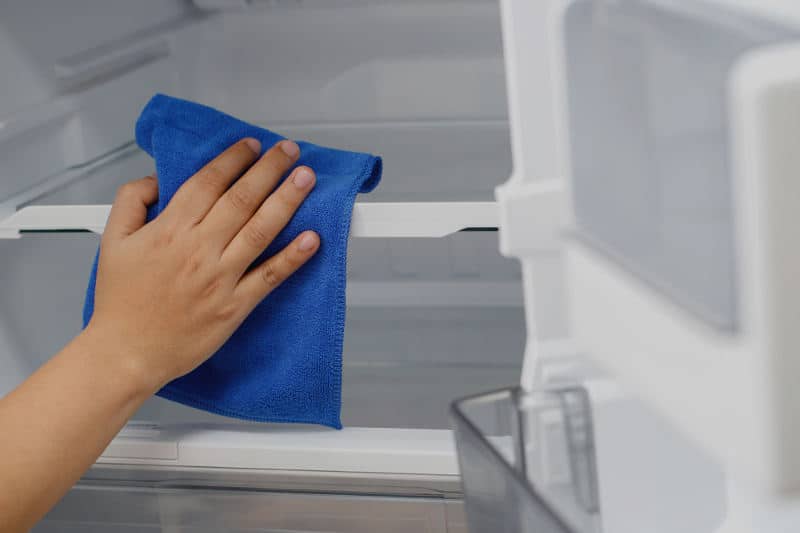
- Regularly clean the hard-to-reach areas of your fridge. Keeping the drain pan, condenser coils, and other areas of your fridge debris-free and working optimally can help eliminate excess moisture.
- Check the refrigerator door seal every year. Most brands have door seals that last for twelve months. If yours has started to show signs of wear or other issues, replace it before it causes excess condensation in your fridge.
A little preventive care can save you from soggy shelves, spoiled food, and unnecessary repairs down the road.
To Conclude
Condensation in your fridge doesn’t have to be a mystery — or a recurring headache. By understanding the causes and staying on top of a few simple maintenance steps, you can prevent moisture buildup, protect your food, and help your appliance run efficiently.
A little awareness goes a long way in keeping things cool and dry.
And before you go, here’s a quick summary of all the issues and how to solve them:
| Cause | Problem | Quick Fix |
| Faulty door seal | Warm air gets in | Clean or replace the gasket |
| Hot leftovers | Extra heat = condensation | Let food cool before storing |
| Clogged drain | Water can’t escape | Clear the drain hole |
| Frequent door opening | Warm air enters often | Minimize open time |
| Humid room | Outside moisture seeps in | Use a dehumidifier |
| Wet produce | Moisture drips and evaporates | Dry produce or use breathable storage |
| Overfilled fridge | Poor air circulation | Declutter and organize |
| Energy-saving settings | Disrupts moisture control | Adjust to recommended temps |