If your refrigerator has ever gone warm because a breaker tripped, you might wonder whether it should be on its own electrical circuit. A dedicated circuit is one that supplies power to a single appliance instead of sharing that power with lights, outlets, and other devices.
A refrigerator does not always legally require its own dedicated circuit, but in most homes it is strongly recommended. Giving the fridge its own 15- or 20-amp, 120-volt circuit improves reliability and reduces the chance of nuisance breaker trips that can leave your food unsafe.
Here’s what a dedicated circuit actually does and why it’s often the best choice for a refrigerator.
Why a Dedicated Circuit Helps
A refrigerator runs all day, every day, and it contains a motor-driven compressor that has very different electrical behavior from simple devices like lights or phone chargers. Because of that, it benefits from having a circuit that isn’t competing with other kitchen appliances for the same limited amount of current.
1. It Prevents Nuisance Breaker Trips
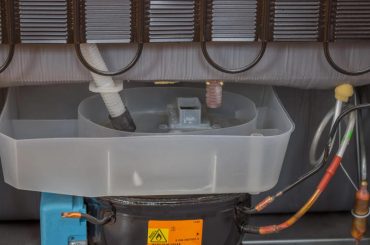
When the compressor kicks on, it draws a short burst of high “inrush” current that can be several times its normal running load. On an otherwise empty circuit this isn’t a problem, because the surge is brief.
But if something else is already using a lot of power on that same circuit (like a microwave heating leftovers or a toaster making breakfast) the combined draw can momentarily exceed the breaker’s limit. The breaker does its job and trips, cutting power to everything on that circuit, including the fridge.
With a dedicated circuit, the refrigerator’s startup surge doesn’t have to compete with other appliances, so the breaker is far less likely to trip.
2. It Protects Your Food From Surprise Outages
A tripped breaker on a shared circuit might not be noticed right away, especially if the lights and other outlets in the kitchen are on different circuits. The refrigerator can then sit without power for hours.
That can lead to spoiled food, leaks from thawing items in the freezer, and in some cases damage to the appliance if it repeatedly loses power. A dedicated circuit makes accidental shutoffs much less likely, so the fridge keeps running even when other kitchen circuits are heavily used.
3. It Reduces Strain on Shared Kitchen Circuits
Kitchen countertop circuits are designed for portable appliances that are used intermittently. It’s common for several high-wattage devices to be plugged in and used one after another.
If the refrigerator is also on that same circuit, it adds a constant background load. Even when it isn’t starting up, it periodically cycles on and off.
Removing that continuous load from the general-use circuit gives you more usable capacity for mixers, coffee makers, and other plug-in appliances, and makes breaker trips much less frequent.
Is a Dedicated Circuit Required by Code?
In many U.S. homes, electrical code permits a refrigerator to be connected to one of the required 20-amp small-appliance circuits that serve the kitchen receptacles. So a dedicated circuit is not always strictly required.
Even so, many electricians and inspectors recommend installing one for the refrigerator in new construction or remodels. It’s a reliability upgrade rather than just a code minimum.
Because local rules and interpretations can differ, it’s wise to check with a licensed electrician or your local building department if you’re planning changes.
Can Other Devices Share That Circuit?
In theory, yes — but doing so defeats the purpose.
A dedicated circuit is meant to reserve the full capacity of that breaker for the refrigerator alone. Plugging other devices into it reintroduces the risk of overloads and nuisance trips.
As a simple rule: if a breaker or outlet is labeled “refrigerator,” treat it as off-limits for anything else.
What About GFCI Protection?
GFCI (ground-fault circuit interrupter) protection is designed to quickly shut off power if electricity is flowing somewhere it shouldn’t, such as through water or a person to ground. This greatly reduces the risk of electric shock.
Recent electrical codes have expanded GFCI requirements in kitchens, and in many newer homes the refrigerator outlet is GFCI-protected, especially if it’s near a sink or in an area defined as needing that protection.
In older homes, the refrigerator outlet may not have GFCI and can still be code-compliant if it hasn’t been modified. Homes are generally allowed to remain as they were built unless major electrical work is done.
If you install a new refrigerator outlet or move the existing one as part of a remodel, it will usually have to meet current local code. That often means adding GFCI protection, and in some areas AFCI (arc-fault) protection as well. A licensed electrician can confirm exactly what’s required where you live and choose a setup that balances safety with reliable operation.
Typical Circuit Size for a Refrigerator
Most standard household refrigerators are designed for a normal residential branch circuit:
- 120 volts
- a 15- or 20-amp breaker
- a grounded three-prong outlet
Both 15-amp and 20-amp circuits are acceptable for most models, as long as the wiring matches the breaker size. In kitchens, a 20-amp dedicated circuit is common because it provides extra margin for the compressor’s brief startup surge and reduces the chance of nuisance trips.
The outlet type follows the circuit:
- 15-amp circuit → standard 5-15 outlet
- 20-amp circuit → either a 5-15 or 5-20 outlet (a 5-20 allows appliances with a 20-amp plug, though most fridges still use standard 5-15 plugs).
Always check the refrigerator’s nameplate or manual for any specific electrical requirements.
Should You Install a Dedicated Circuit Yourself?
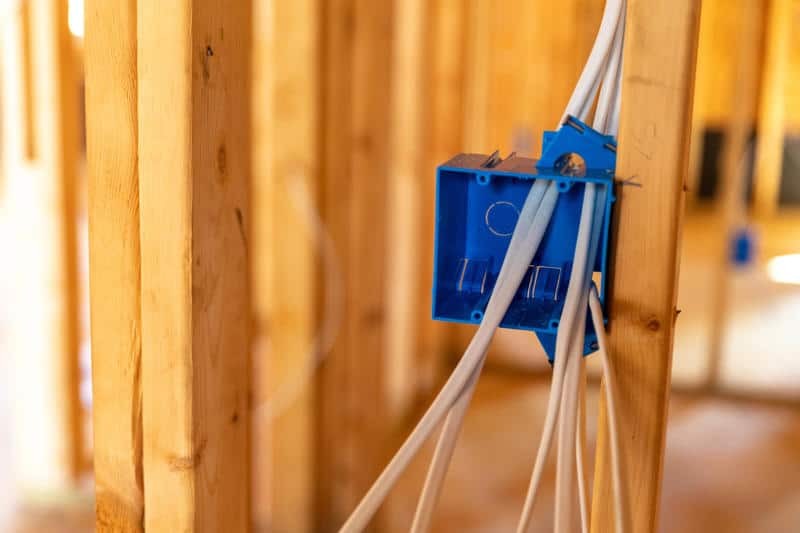
Installing a new dedicated circuit isn’t just swapping an outlet. It involves adding a breaker to the main panel, running new cable through walls or ceilings, securing and protecting that cable, etc.
Errors can lead to shock hazards, overheating wires, nuisance trips, or even fire. Work that isn’t up to code can also fail inspection and create problems with insurance or future home sales.
For most homeowners, this is best left to a licensed electrician. The cost is usually reasonable, especially if the electrical panel is nearby and there’s an easy path for the new wiring. In return, you get a code-compliant installation, proper protection (GFCI/AFCI if required), and a more reliable refrigerator circuit.
When Is It Most Worthwhile?
Adding a dedicated refrigerator circuit makes the biggest difference when your current kitchen wiring is already close to its limits.
It’s especially worthwhile if:
- Your fridge is plugged into the same circuit as frequently used countertop appliances like a microwave, toaster, or coffee maker
- You’ve had repeated breaker trips that shut the fridge off
- You’re already renovating the kitchen or upgrading the electrical panel (the easiest time to add a new circuit)
- You’re installing a large, professional-style, or high-end refrigerator with higher startup demands
In these situations, a dedicated circuit improves day-to-day reliability and reduces the risk of unnoticed outages.
If your existing setup has worked for years without tripping and it complies with local code, you may not strictly need to change it. Even then, adding a dedicated circuit is still a practical reliability upgrade rather than a repair.
Bottom Line
A refrigerator doesn’t always have to be on its own circuit, but giving it one is good practice. It minimizes breaker trips, protects your food from unexpected power loss, and keeps busy kitchen circuits from being overloaded.
If you’re building or remodeling, plan for a dedicated 15- or 20-amp circuit for the fridge. If you’re having problems with trips on a shared circuit, a dedicated line installed by a qualified electrician is often the simplest and most reliable fix.