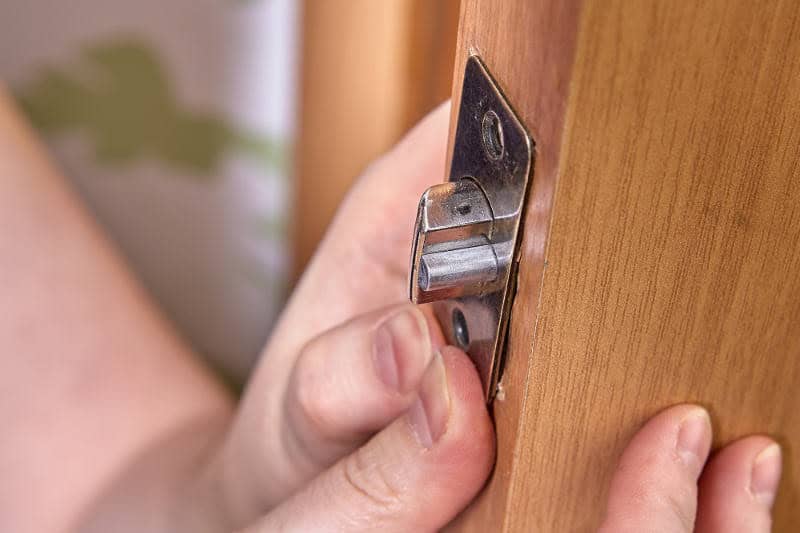
The door latch is one of the most essential components of a functioning door. If your door latch isn’t retracting properly, there could be several underlying causes — but the good news is that most of them are relatively easy to fix.
Common culprits include a broken spindle, loose door knobs, a misaligned strike plate, or debris causing a jam. Fortunately, these are all issues you can often resolve yourself. You might need to replace the spindle, tighten the knobs, or realign the strike plate to get things working again.
Tip: A latch can sometimes be fixed by gently jiggling the doorknob, especially if the latch won’t extend or retract. Avoid forcing it, as that could worsen the issue.
Let’s take a closer look at these potential problems and walk through some practical solutions to help you get your door back in proper working order.
1. Faulty Internal Mechanism
What’s the Problem
You may be dealing with a faulty internal mechanism if you notice that the door latch is stuck or won’t retract. This is especially common with older latches as they age, and we use them regularly. However, it can also happen to new latches if we don’t install them correctly.
The internal mechanism of your door latch can easily become stuck if you do not install it properly. Whether it is a broken spindle or something else broken, many things can go wrong with a door knob and cause the latch to not retract. These issues can be difficult to diagnose if you don’t know what to look for.
If your door latch just doesn’t budge, you may be dealing with a broken or faulty spindle. A spindle is an important metal piece connecting the latch to the door handle. It allows the door to function properly by making the latch respond to the doorknob turning. If it is broken or faulty, then the door latch will no longer respond to the turn of the knob.
How to Fix
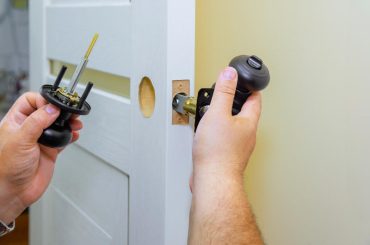
If the problem is a broken or damaged spindle, you can fix it. You will need to replace it with a new spindle. You can buy them individually without purchasing an entirely new door knob kit. Once you have the replacement spindle, here’s how to replace it:
- Start with an opened door, as this won’t work with a closed door
- Unscrew and remove both door knobs
- Once the door knobs are off, you will see the broken or damaged spindle
- Remove the old spindle being careful to get every piece if it breaks
- Replace it with the new spindle
- Reattach both knobs
- Loosen or tighten the knobs as needed to make sure the spindle is tight
Once you complete the above steps, your door latch should work as new again. If the problem was not a broken spindle, we have some further recommendations on what could be wrong.
2. Jammed
What’s the Problem
If your door latch doesn’t move with or without the aid of the doorknob, then you may want to consider a jam. Many things can build up inside the mechanism, causing it to no longer retract. This is especially relevant for older door latches as they tend to gather rust and other debris over time.
You may wonder how rust or other materials can collect on the interior of your door latch. As they are metal, they can rust with exposure to water. So, if your door is leading outside or in an area that is prone to getting wet, rust is probably the culprit.
If this is an interior door, then rust is less likely, but still not impossible. You may also want to consider dust or random debris getting stuck there. If you have kids or have some occasionally visit your home, it is always possible that there is now something inside the latch mechanism.
How to Fix
If there is a jam causing your door latch to no longer work, then you can most likely fix it yourself, assuming there is no major damage. If you think rust is the problem, consider applying WD-40 to the door latch. Make sure you coat the entire latch and try to get as much as possible inside of it too.
Let the WD-40 dry for about 30 minutes and reapply two or three times if needed. After the third application, you should notice a major difference in how the latch responds to you. You probably aren’t dealing with rust if you don’t see any difference.
If you are dealing with dust or something jammed inside of the latch, you should take the door latch apart. Start by removing the door handle, then remove the door latch. You can only see inside some of the mechanisms even after removing them. Use this opportunity to clear out any dust or debris, then replace the latch and test it.

- Use on a variety of surfaces - metal, rubber, vinyl...
- Professional- grade triple-action formula to lubricate...
- No sticky residue, just a clear thin protective film...
- Experts around the world trust WD-40 Specialist formula...
3. The Door Latch and Strike Plate Are Not Aligned
What’s the Problem
If your door latch doesn’t retract only when you try to open a closed door rather than all the time, you may have an issue with the alignment. The strike plate on your door is the metal piece screwed to your door frame that holds the latch when you close the door.
When you install a strike plate, you align it with the door knob. Over time, it can become unaligned due to changes in the door frame. A wooden door frame may expand with weather changes or as it gets wet, which can cause the strike plate to no longer align with the latch.
Sometimes, this issue can cause your door not to latch properly when you close it. If you’ve ever had to adjust the knob position slightly, it was most likely caused by this. However, this misalignment can also cause you to struggle to open the door, making it seem like a stuck latch.
In this case, it is not a problem with the latch at all. What is happening is that the movement of the strike plate causes the door latch to fall into the strike plate incorrectly. While it still allows the door to close, the friction of metal on metal can make it very difficult for the latch to retract. This can make it seem like a bigger problem when friction is actually the main culprit.
How to Fix
There are a few different possible solutions for this problem. First, you should consider applying some sort of lubricant like WD-40. This will help prevent friction when closing the door and allow you to open it more easily. Spray a generous amount on both the door latch and the strike plate.
This creates a temporary albeit effective solution. However, you should consider further repairs to prevent this from happening again in the future. One thing to consider is why this is happening. Most of the time, a moving or misaligned strike plate happens when a door or door frame expands or contracts due to weather changes or getting wet.
Of course, we can’t stop these things from happening as these are natural occurrences over time. However, there are a few ways to keep this under control. First, you can move the strike plate to match the new alignment. This may be a temporary solution as the door frame may continue to shift as it expands and retracts.
Alternatively, we recommend considering a different type of wood for your door that is not as easily affected by the climate. Of course, this is a costly and major change to your home. So, it may not be an option for everyone. However, this is the most effective solution if you want a long-term fix to strike plate misaligning.
4. Sticky Mechanism
What’s the Problem
Sometimes when things get stuck, it is simply because they have come in contact with something sticky. This can be the case with a door latch mechanism. If you frequently use the door, sticky material left on your hands can become part of the doorknob, latch, or strike plate.
This is especially likely if the door latch still works occasionally, but you have to put a lot of force behind it. The latch may hesitate to move and then snap into place quickly. If this happens, there is probably a substance on or in the door mechanism, making it stick.
This can happen when you use the door while working with stuck materials. It may also happen if you attempt to do any repairs by the door that require sticky substances. As the substance dries or hardens, it will have more of an effect on the door latch.
How to Fix
If you find yourself in this sticky situation, the first thing you want to do is get it unstuck. You can do this by trying multiple times to turn the knob. If this doesn’t work, then lightly tap the door latch with a hammer to free it. Sometimes freeing the latch and opening it repeatedly is enough to fix it.
If opening and closing the latch repeatedly did not fix the problem, you should consider taking apart the mechanism and cleaning it. It is not enough to apply a lubricant this time, as it may not react well to being mixed with whatever sticky substance is in there. So, take apart the doorknob and clean it fully to remove any substance that may cause it to be sticky.
To keep this from happening again, make sure you clean the door knob, latch, and strike plate regularly. This will help prevent sticky substances from drying and causing latch issues before it gets bad enough to stick again.
5. Faulty Door Knob
What’s the Problem
Finally, if the above problems and solutions do not help you figure out why your door latch won’t retract, you may be dealing with a faulty door knob. You can test this pretty easily by attempting to push in the door latch without turning the knob. If the latch goes in easily with a push but doesn’t move when you turn the knob, you most likely have an issue with the knob.
This could mean a simple problem like loose screws, or it could indicate something bigger like a faulty knob. It can be difficult to diagnose this issue without trying multiple fixes first. So, let’s discuss what you can do to determine if your door knob is the problem.
How to Fix
First, try tightening the screws around your door knob. If they are too loose, then they will not come in contact with the spindle and, therefore, won’t allow the latch to move. Remember, only tighten the door knobs as much as you need to. If the knobs are too tight, you may not be able to turn them, or you may break or bend the spindle.
If tightening the knob doesn’t fix the problem, you may need to get a new system. Each of the above solutions allows you to fix the problem with minimal cost, but you can’t fix everything. If something is wrong with the knobs or the internal mechanism that allows the knobs to work, you may be better off buying and installing a new system.
Consider the Warranty
Always check with the manufacturer if you decide to replace the knob. It is very common for manufacturers to provide long warranties for their door knob mechanisms. Some even provide a lifetime warranty. So, no matter how long ago you purchased the mechanism, always contact the manufacturer to see if it is still under warranty.
If it is under warranty, the company will most likely provide you with a replacement or with a missing or broken part that you need for no cost. This can help prevent you from spending more money on a new set. So, call the manufacturer and explain the problem you are experiencing. They may just give you a new one for free.
Final Thoughts
If your door latch won’t retract, there are many different possible reasons. Thankfully, most of them are fixable and won’t cost you a lot of money. Try some of our above solutions before you go searching for a new door knob set to help save you some time, hassle, and money.
Also, don’t forget to contact the manufacturer, as door knobs tend to have a long warranty period. This can also help save you money in the long run.