Removing super glue can be difficult, especially if you don’t know what to remove it with. Instead of continually scraping and scrubbing, and possibly causing harm to the surface or yourself, it’s best to use something that will break up the super glue’s bond. Luckily, there are several solutions to removing super glue, but is acetone one of them?
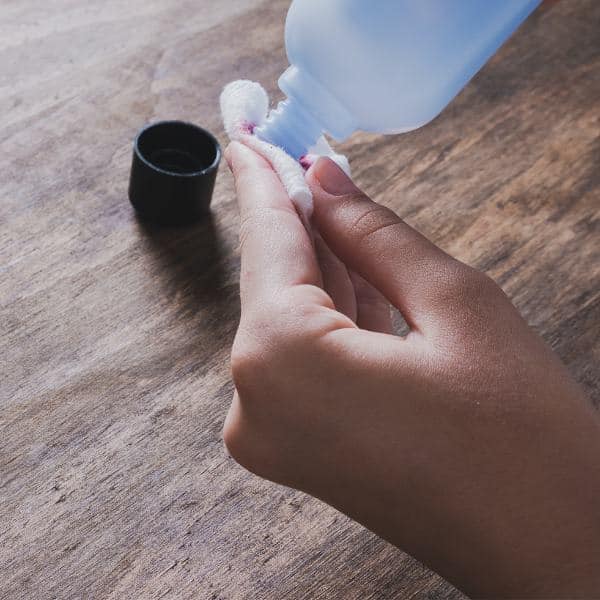
Acetone does remove super glue. You can use it to remove super glue by putting some on a cotton ball and rubbing it on the surface. Acetone works well to remove super glue from any surface, including your skin.
In this article, I’ll explore what you need to know about using acetone to remove super glue. I’ll also look at the science behind how acetone works to remove glue and feature some precautions to bear in mind.
How Acetone Works to Remove Super Glue
To understand this, we first need to explore why it’s so powerful. Acetone is a clear organic substance that’s used as a chemical solvent because it breaks down and dissolves polar and non-polar substances alike, as the Study reports. Therefore, it effectively removes fatty substances.
Now, let’s take a look at why super glue is so difficult to remove. Super glue is extremely sticky, and it bonds to surfaces so effectively because it contains an ingredient called cyanoacrylate, which is a type of plastic that’s sometimes called acrylic resin.
Cyanoacrylic quickly cures, so it produces a strong adhesive bond that can bond almost instantly to various surfaces, from metal to glass and wood.
But acetone is the one ingredient that effectively removes super glue from a variety of surfaces, such as:
- Clothing
- Furniture
- Skin
How to Remove Super Glue With Acetone
Although you might be jumping for joy that acetone will successfully remove super glue from a variety of surfaces, you have to be careful when you use it because it can damage certain materials. In addition, it’s flammable, so you need to ensure you don’t use it near any sources of heat or fire.
With the above in mind, let’s explore how to remove super glue with acetone from different surfaces.
From Skin
To remove super glue from your fingers, you’ll need cotton balls that have been dipped in acetone, such as your acetone-based polish remover. Then, follow these instructions:
- Apply the cotton ball that’s been soaked in acetone to areas of your hands where there’s super glue. Do this by pressing the cotton balls against your skin.
- Hold the cotton ball against the glue until the bonds start to disintegrate.
- Repeat the previous steps as much as necessary until the glue is removed.
- Wash the excess glue and acetone from your skin with soapy water.
From Furniture
To remove super glue from furniture, you need to be careful. If super glue has been spilled onto clothing or upholstered furniture items, it could stain or damage the material. If you’re tempted to use a nail polish remover because it contains acetone to remove the glue, you should avoid it, as it has color added to it, which will alter the color of your furniture. Instead, make sure you use 100% pure acetone.
Before using the acetone on the furniture, test it in a hidden spot, such as near the back of a sofa, to ensure that it doesn’t cause any problems. Then, follow these instructions:
- Dip a cotton swab into a container of acetone.
- Dab the swab onto the part of the furniture that contains glue. You’ll see that the glue starts to break apart and detach from the furniture.
From Wood Surfaces
It’s so disheartening to see super glue stuck to your wooden kitchen countertop or other hard furniture, but you can remove it easily. However, along with some cotton swabs and 100% pure acetone, you’ll also need a putty knife. Here’s what to do:
- Dip a cotton swab in acetone.
- Dab the swab on the glue for about 15 seconds. Try to avoid getting the acetone onto the wood itself.
- When you can feel that the glue has started to soften, use a putty knife to scrape it off of the wood. However, be careful to run it along the edge of the surface so that you’ll cut through the glue without causing any damage to the wooden surface.
When choosing a putty knife for this purpose, I’d recommend it has a flexible plastic handle, so you can use it to scrape up the glue and other spills that have hardened on surfaces without the putty knife snapping or breaking.
From Clothing
If you’ve spilled super glue on your favorite t-shirt, resist the temptation to wipe it off immediately with a cloth, as this will make it set deeper into the clothing’s fibers. Instead, wait for it to harden. Then, follow these steps:
- Use a spoon or putty knife to scrape off the dried glue.
- Soak a cotton ball in acetone.
- Gently press the acetone into one area of the clothing item to see if it’ll change its color.
- After testing it in one area, if the clothing isn’t damaged, apply the cotton ball to the super glue more liberally.
- Wash it in the washing machine. This will remove any excess smell or traces of acetone in the clothing item.
Final Thoughts
Super glue is tough and difficult to remove from surfaces, but you can eliminate it effectively with the use of acetone. This can be used to remove super glue from various surfaces, such as clothing, furniture (including wood), and skin.
However, before soaking the area in acetone, it’s best to test that the acetone won’t ruin it or cause you harm, as some surfaces can become damaged because of it.