The floor feels like the easiest place to put things. It’s wide, accessible, and always there when shelves and closets fill up. But storing items directly on the floor can quietly damage your belongings, attract pests, and make everyday cleaning harder than it needs to be.
Whether you live in a rental or a forever home, some items should always be lifted off the ground. Here’s what to keep elevated — and why.
1. Clothing and Fabrics
Piles of clothes, spare blankets, and extra bedding might seem harmless on the floor, but fabrics act like sponges for everything that settles at ground level.
Even in clean homes, floors constantly collect:
- Dirt and grit tracked in from outside
- Pet hair and dander that drift downward
- Fine dust that gathers in corners and along baseboards
- Humidity that lingers near the ground and can lead to mildew
Soft materials absorb all of this. What starts as a tidy stack of sweaters can gradually develop musty odors, faint stains, or discoloration on the bottom layers. In darker, less ventilated spots like closets, floor-stored fabrics are also more likely to attract moths and other fabric-loving insects.
Cleaning adds another risk. Clothes and linens on the floor get brushed by vacuums and splashed by mop water or cleaning sprays, which can leave marks and residue.
Better option:
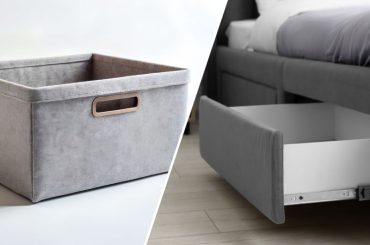
Use shelves, raised baskets, or lidded under-bed bins to create a barrier between fabrics and the floor. Lifting textiles even a few inches keeps them cleaner, drier, and better protected from pests while still easy to reach.
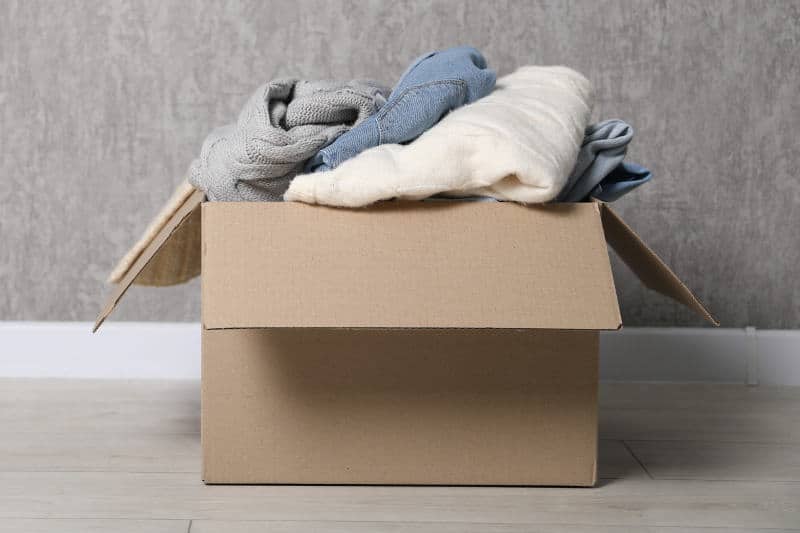
2. Paper Items and Cardboard Boxes
Paper is one of the most vulnerable materials to store at floor level. It takes very little moisture to cause permanent damage.
A minor spill, a slow leak, condensation from an exterior wall, or even routine mopping can quickly ruin books, important documents, printed photos, files stored in cardboard boxes, etc.
Cardboard makes the risk even greater. It soaks up moisture from hard floors and carpets, then passes that dampness directly to whatever is inside. It also attracts insects that like to nest in or feed on paper-based materials.
Even in dry conditions, paper stored on the floor collects dust along the bottom edges and can warp or curl over time due to uneven humidity near the ground.
Better option:
Place paper items in plastic, lidded containers and store them on shelves. If shelves aren’t available, set them on a low rack or platform a few inches off the floor to protect them from moisture and dirt.
3. Electronics and Cables
Electronics left on the floor face more risk than you might expect. At ground level they easy to kick or step on and sit directly in the splash zone of spills or wet shoes.
Loose cables running across the floor are also a major tripping hazard, especially in small or shared spaces.
Heat is another hidden issue. Many devices vent warmth from their undersides, and soft surfaces like carpets or rugs block airflow. Over time, trapped heat can reduce performance, shorten battery life, or even damage internal components.
Carpeted floors also generate more static electricity, increasing the chance of small shocks that can harm sensitive electronics.
Better option:
Place electronics on desks, shelves, or wall-mounted trays where air can circulate freely underneath. Use cable clips, sleeves, or conduits to guide cords along walls or furniture so nothing rests directly on the floor.
4. Food and Pantry Supplies
Anything edible stored on the floor is essentially a welcome mat for pests. Ants, roaches, and rodents naturally travel along edges and baseboards, making ground-level food the easiest target.
Even sealed packages aren’t safe for long. Determined pests can chew through thin plastic or cardboard, contaminating whatever is inside.
Floors also experience greater temperature swings, especially near exterior walls or uninsulated corners. That extra cold or heat can shorten the shelf life of dry goods and cause oils, grains, or nuts to spoil faster.
Cleaning adds another hazard. During mopping, dirty water or disinfectant can splash onto low-stored food, creating a hygiene risk.
Better option:
Store food on shelves or in airtight containers that sit off the floor. Elevation keeps items cleaner, drier, and far less accessible to pests, whether they’re in a pantry, closet, or utility room.
5. Shoes You Actually Care About
Keeping a couple of everyday pairs by the door is practical, but long-term storage of your better shoes on the floor slowly wears them down.
At ground level, shoes pick up extra dust and grit that can scratch leather and dull finishes. They’re easy to kick out of shape, step on, or crush under heavier footwear. When shoes are scattered across the floor, cleaning becomes harder, so dirt and debris build up around and inside them.
When footwear sits flat on the floor, air can’t circulate underneath. Moisture from rain, snow, or sweat gets trapped, leading to lingering odors and, in humid conditions, even mold.
Better option:
Use a raised shoe rack, bench, or cubby that lifts footwear a few inches off the ground. Elevation improves airflow, keeps pairs visible and organized, and makes it easier to clean the floor beneath them.
6. Cleaning Supplies and Chemicals
Storing cleaning products on the floor creates several risks. Bottles can get knocked over, lids can loosen, and slow leaks can go unnoticed until they stain or damage the flooring.
Liquid cleaners may also “sweat” or leave residue rings on hard surfaces over time. In homes with kids or pets, floor-level storage makes chemicals easier to reach and accidentally tip.
There’s also the cleaning paradox: products meant to keep your home spotless end up sitting in the dirtiest zone, collecting dust and grime on their bases.
Better option:
Keep cleaning supplies in a wall-mounted caddy or inside a raised cabinet. Elevating them reduces spill risk, protects your floors, and keeps hazardous products safely out of easy reach.
7. Luggage and Bags
Suitcases and travel bags often end up parked on closet or bedroom floors between trips. The trouble is, they bring home more than souvenirs. Wheels and fabric pick up dust, grit, and sometimes pests from airports, sidewalks, and hotel rooms, then sit directly against your home’s dirtiest surface.
Because most luggage is fabric-lined, it can also absorb lingering floor-level moisture, leading to musty smells and stale air inside the case over time.
Storing bags flat on the floor also makes them easy hiding spots for insects in darker closets or corners.
Better option:
Store luggage on a high closet shelf or on top of a wardrobe where it stays cleaner and drier. If overhead space isn’t available, place it inside a large plastic bag or bin and set it on a raised rack so air can circulate underneath.
8. Anything You Want to Keep Long-Term
If something is important enough to keep for years, it shouldn’t live at floor level. Floors are the first place affected by everyday hazards like small leaks, spills, tracked-in dirt, and aggressive cleaning.
Even careful vacuuming and mopping can scuff, soak, or stain items that sit directly on the ground. In basements, garages, or closets against exterior walls, slight humidity changes can slowly damage whatever rests on the floor.
You don’t need tall shelving to stay safe. Even a few inches of elevation creates a protective buffer against water, grime, and pests.
Better option:
Use a low shelf, pallet, or simple storage platform to lift long-term items off the ground and keep them cleaner, drier, and better preserved over time.
The Simple Rule
If it’s soft, important, valuable, or edible, lift it off the floor.
Even a few inches of elevation creates a buffer against spills, dust, pests, and everyday wear. Raised storage not only protects your belongings, it also makes floors easier to clean and rooms feel less cluttered and more intentional.
You don’t need elaborate shelving to get the benefit. A low rack, small platform, or simple bin on a stand can be enough to keep items safer and in better condition for the long run.
When in doubt, give your belongings a little elevation.