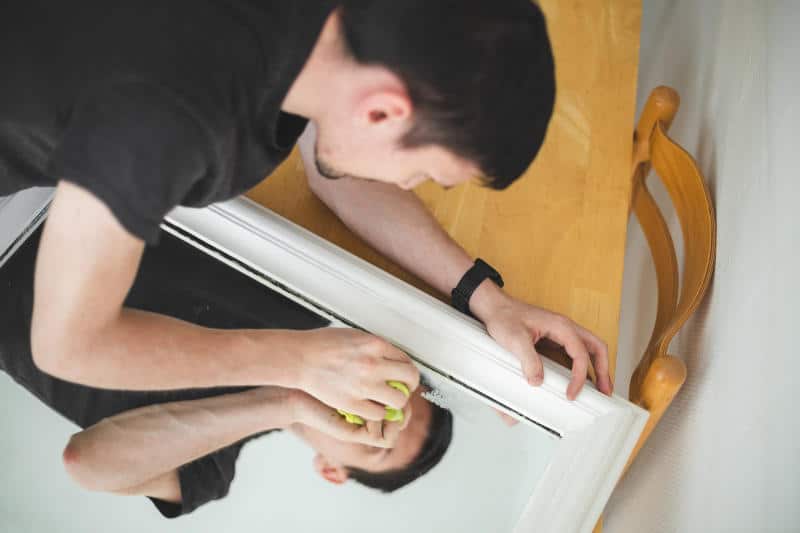
Mirrors play an important role in brightening spaces and enhancing a room’s appearance, but even small scratches can be frustrating and hard to ignore. The good news is that not every scratched mirror needs to be replaced. Many surface-level scratches can be reduced or disguised using simple household items or basic polishing techniques.
In this guide, you’ll find several effective DIY methods for fixing a scratched mirror, ranging from quick home remedies to more advanced polishing options. Each method varies in strength and difficulty, allowing you to choose the best approach based on the severity of the scratch and the tools you have available.
1. Toothpaste
This is one of the simplest methods for reducing the appearance of minor mirror scratches and requires very little experience. While it won’t completely remove a scratch, it can make fine marks much less noticeable.
Use a basic white toothpaste without gels, whitening crystals, or beads. Plain cavity-protection toothpaste works best because it contains mild abrasives and fewer added ingredients.
Follow these steps:
- Apply a small amount of toothpaste to a damp, soft cloth.
- Gently rub the toothpaste onto the scratched area using light, circular motions.
- Wipe away any excess paste and allow the area to dry.
- Polish the surface with a clean, soft cloth to remove any remaining residue.
After using this method, the scratch should appear significantly reduced. Very fine scratches may become nearly invisible.
Keep in mind that this is a temporary solution. You may need to repeat the process over time, especially if the mirror is exposed to frequent cleaning or moisture.
2. Baking Soda
Baking soda (sodium bicarbonate) is a common household cleaner and a mild abrasive that can help reduce the appearance of minor scratches on mirrors.
Similar to toothpaste, baking soda works by gently smoothing the edges of fine scratches so they blend in with the surrounding glass, making them less noticeable. It does not dissolve glass, but it can effectively minimize surface imperfections when used correctly.
How to use baking soda on a scratched mirror:
- Mix equal parts baking soda and water to create a smooth, moist paste. Avoid making the paste too dry, as this can leave residue or cause additional scratching.
- Apply the paste to the scratched area using a soft cloth, rubbing gently in circular motions.
- If the paste begins to dry, add a few drops of water to keep it slightly moist.
- Wipe the area clean with a damp cloth and polish with a soft, dry cloth.
This method works best for light surface scratches and may need to be repeated for improved results.
3. Vinegar–Mustard Paste
Some scratches may be slightly more visible and not respond well to toothpaste or baking soda alone. In these cases, a vinegar and mustard paste can serve as a stronger alternative.
This mixture works by combining vinegar’s cleaning properties with mustard’s mild abrasiveness, which can help smooth the edges of fine-to-moderate surface scratches and make them less noticeable. It does not dissolve glass, but it can help reduce the appearance of imperfections when used carefully.
Follow these steps:
- Mix equal parts white vinegar and mustard (about half a tablespoon of each is sufficient) to form a smooth paste.
- Apply the paste to the scratched area and gently rub it in with a soft cloth.
- Wipe away any excess and allow the mirror to dry completely.
- Polish the surface with a clean, soft cloth.
After treatment, the scratches should appear less visible. Use this method sparingly, as prolonged exposure to vinegar can damage the mirror’s reflective backing over time.
4. Jewelry or Metal Polish (Cerium Oxide)
Cerium oxide is a fine polishing compound commonly used in jewelry and glass restoration. When used correctly, it can help reduce the appearance of light to moderate scratches on mirrors by polishing the glass surface and restoring clarity.
Because cerium oxide is more abrasive than household remedies, it requires extra care and patience. Follow these steps for the best results:
How to use cerium oxide on a scratched mirror:
- Thoroughly clean the mirror with distilled water to remove dust, dirt, and residue.
- Mix about 1 tablespoon of cerium oxide powder with water to create a smooth, workable paste.
- Apply the paste to the scratched area using a soft cotton cloth.
- Polish the area gently in small circular motions, keeping the surface slightly moist by adding water as needed.
- Once finished, rinse the mirror with water and wipe it clean using a soft cloth. Avoid alcohol- or ammonia-based cleaners.
This method may need to be repeated several times for noticeable improvement and works best on shallow scratches.
Safety precautions:
- Avoid handling cerium oxide with bare hands; wear gloves if possible.
- Do not inhale the powder or ingest it.
5. Clear Nail Polish
Clear nail polish can be a practical option for deeper surface scratches that don’t respond well to abrasive polishing methods. Rather than removing the scratch, this technique works by filling it in, making the damage less noticeable.
Use a new bottle of clear nail polish to ensure the polish is transparent and free of discoloration, which could otherwise draw more attention to the scratch.
Follow these steps:
- Clean the scratched area thoroughly using distilled water and allow it to dry completely.
- Apply a thin, even layer of clear nail polish directly over the scratch.
- Let the polish dry for about 20 minutes, then apply a second thin layer if needed.
- Once fully dry, gently remove any excess polish around the scratch using a soft cloth lightly dampened with nail polish remover.
If necessary, an electric buffer can be used to smooth raised edges of the dried polish. Use extreme caution to avoid removing the polish from the scratch itself.
This method is best used as a cosmetic fix and may need to be reapplied over time.
6. Liquid Pumice and an Electric Buffer
Buffing is a more advanced method that can help reduce the appearance of light to moderate scratches on mirrors. It involves polishing the surface with a soft abrasive using an electric buffer and is generally considered a last-resort DIY option, since the required equipment is not commonly available in most homes.
That said, buffing can be more cost-effective than replacing a mirror or hiring a professional, especially for larger or higher-quality mirrors.
When buffing a mirror, it’s important to use non-abrasive or lightly abrasive pads only. Pads designed for heavy-duty polishing (such as those used on car windows or metal surfaces) can cause additional scratches and permanently damage the mirror.
Liquid pumice, often found in hand-cleaning products, acts as a mild polishing compound. When combined with controlled buffing, it can help smooth surface imperfections.
How to buff a scratched mirror:
- Clean the mirror thoroughly to remove dust, grease, and residue.
- Apply a generous amount of liquid pumice to the scratched area.
- Using an electric buffer fitted with a soft pad, gently buff the area in slow, even motions.
- Continue buffing for a few minutes, checking progress frequently to avoid over-polishing.
- Wipe the mirror clean with a soft cloth and inspect the surface.
Using a Degreaser Before Buffing
If the mirror has oily residue or stubborn stains, use a mild degreaser beforehand. Grease left on the surface can interfere with polishing and may cause uneven results or new scratches during buffing.
Apply the degreaser, wipe the mirror clean, and allow it to dry completely before buffing.
This method requires patience and care, but when done correctly, it can noticeably improve the appearance of scratched mirrors without professional repair.
Final Thoughts
It’s important to remember that these methods work best on shallow, cosmetic scratches. Deep scratches or cracks can weaken the glass and may worsen over time, making replacement the safest and most practical option. But choosing the right method and working carefully, you can often restore clarity and extend the life of your mirror without professional repair.
Here are some additional tips to finish off the article:
- Always start with the least abrasive method and work your way up only if needed. Using aggressive techniques too early can cause additional damage.
- Test any method on a small, inconspicuous area before treating the entire scratch to avoid unexpected results.
- Use soft, lint-free cloths such as microfiber to prevent new scratches during cleaning or polishing.
- Avoid ammonia- or alcohol-based cleaners when polishing or buffing, as they can interfere with some repair methods and damage mirror backing.
- Keep the surface clean and dry before and after repairs to ensure the best results.
- Know when to stop. If a scratch becomes a crack or continues to spread, replacing the mirror is safer than attempting further repairs.